Mice do real damage — they gnaw wiring, contaminate food, and breed fast — and the longer they are in your home, the harder they are to clear out. Catching the problem early is what keeps a couple of mice from becoming an infestation. Below are the seven signs we look for on the west side of Cleveland, what each one means, and when it is time to call a professional. We handle mouse control across Lakewood and the surrounding cities, so if you spot these, Lakewood Exterminating can help.
What Are the Most Common Signs of Mouse Infestation in Lakewood Homes?
Here are the seven signs that tell us mice are active in a home, and what each one means:
| Sign | What you’ll notice | What it means |
|---|---|---|
| Droppings | Dark pellets about the size of a rice kernel, near food, along walls, and in cabinets. | The clearest evidence. Rice-kernel size means mice; tic-tac size means rats. |
| Scratching sounds | Scurrying or scratching in walls and ceilings, usually after dark. | Mice are nocturnal. Sound after the house goes quiet means active nesting nearby. |
| Rub marks | Greasy, dark smudges along baseboards, walls, and entry holes. | Mice run the same routes and leave oil from their fur. Marks show their travel paths. |
| Gnaw marks | Chewed food packaging, wood, and wiring. | Mice gnaw constantly. Chewed wiring is a genuine fire risk. |
| Nesting material | Shredded paper, fabric, or insulation gathered in hidden corners. | A nest means mice are breeding, not just passing through. |
| Musky odor | A persistent musky smell in concentrated areas. | Strong odor points to a heavy or established population. |
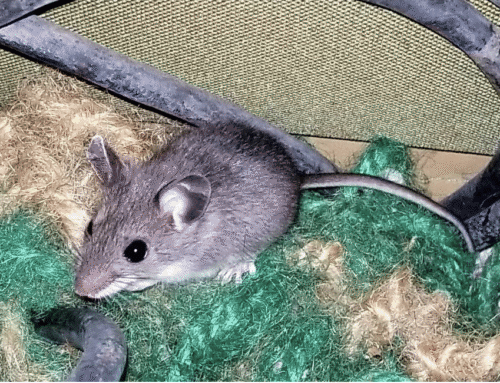
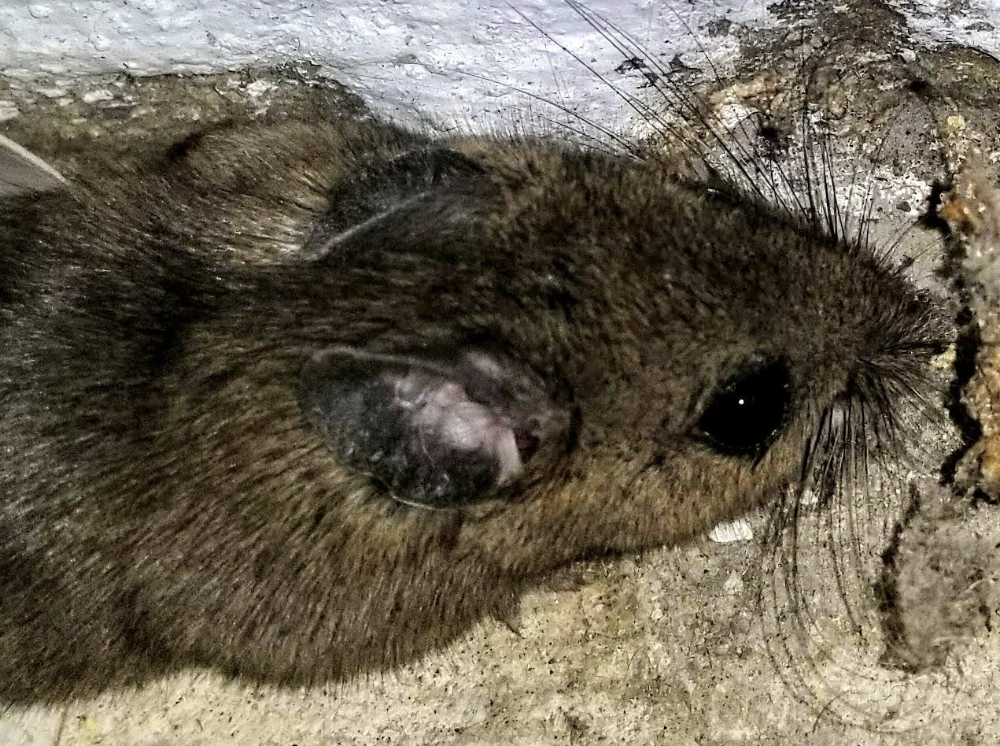
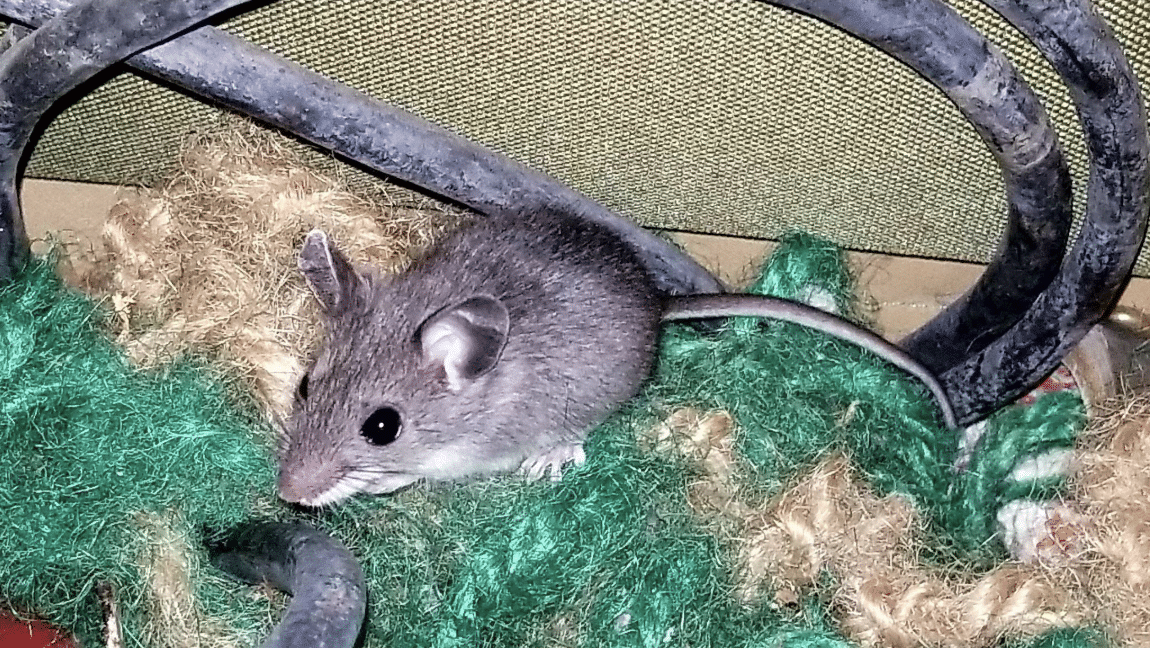
| Live or dead sightings | Seeing a mouse, or finding stored caches of acorns and seeds in walls. | Daytime sightings usually mean the population is large enough that they are competing for space. |
Spot any of these and it pays to act quickly. Mice multiply fast, and what looks like one or two can be a settled population.
What Health Risks Are Associated with Mouse Infestations in Lakewood, Ohio?
Mice are not just a nuisance — they carry real health risks. Their droppings and urine contaminate food and surfaces, which can cause foodborne illness, and they are a common trigger for allergies and asthma, especially in kids and sensitive individuals. Rodents can also transmit diseases such as leptospirosis and hantavirus. That is why droppings and contaminated food are not something to live with while you decide what to do.
If a mouse problem has gotten to the point of heavy droppings or odor, cleanup matters as much as control. We offer sanitation and feces cleanup through the winter using disinfectants and HEPA-filter vacuums. If you clean up after rodents yourself, follow the CDC recommendations to do it safely.
How Can Homeowners Prevent Mouse Infestations in Lakewood, Ohio?
Mice get inside through openings on the outside of the house, so prevention starts at the exterior. The most effective steps:
- Trim tree branches back at least six feet from the structure, and keep firewood and clutter off exterior walls — both give mice cover and a path in.
- Clean up fallen acorns and tree nuts in the yard and gutters, skip bird feeders, and minimize vegetation against the foundation.
- Store pantry items in airtight containers, do not leave pet food in dishes, and wipe down food-prep surfaces.
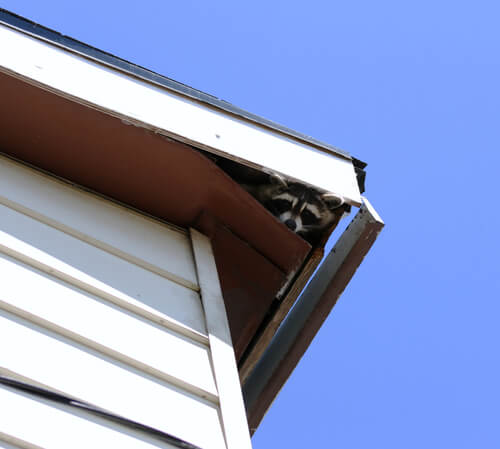
- Walk the exterior and note gaps near the foundation, utility lines, and vents — those are the openings that need sealing.
A Note on Sealing Entry Points
Seal exterior gaps with spray foam, Xcluder stainless steel fabric, and clear sealant. Skip plain steel wool — it rusts and breaks down. And be careful sealing inside: in a single-family home, plugging interior holes around cabinets usually will not stop mice and can backfire by pushing them into other rooms and complicating trapping. The repairs that matter happen outside.
Natural Deterrents — Do They Work?
Peppermint oil and ultrasonic plug-ins get marketed as natural mouse solutions, but they do not solve an infestation. They do nothing about the food, shelter, or entry points that keep mice around. If you want results, focus on sealing the exterior and setting proper snap traps along walls where you have seen droppings.
When to Seek Professional Rodent Control Services
Call a professional when you are seeing or catching mice repeatedly, finding droppings in multiple areas, or noticing gnaw damage on wires or wood. In each case the reason DIY stalled is the same — the exterior entry points have not been found and sealed, which is the part that actually ends the problem.
What Professional Mouse Control Services Does Lakewood Exterminating Offer?
Our mouse service is built around one fact: mice inside come from entry points outside. Every job starts with an interior inspection to locate activity and an exterior inspection to find the openings mice are using. Each initial visit includes a square foot of patchwork repairs at ground level — sealed with spray foam, Xcluder fabric, and clear sealant — followed by the right combination of snap traps and rodenticide placed where our inspection points us. We document every repair recommendation right on the invoice. Our owner trains each technician personally, and our pricing is fixed, so there are no commission-driven upsells.
How to Request a Quote for Reliable Mouse Control Services
Requesting a quote is simple. Call us at (216) 466-2486 or email lakewoodexterminating@gmail.com. Tell us where you are seeing activity and how long it has been going on, and we will recommend the right plan. To get started with mouse control services, reach out today — the sooner you address the signs above, the easier the problem is to solve.