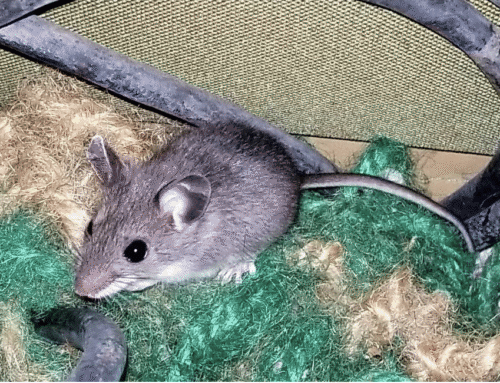
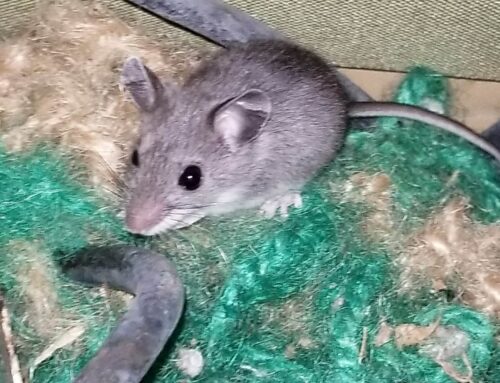
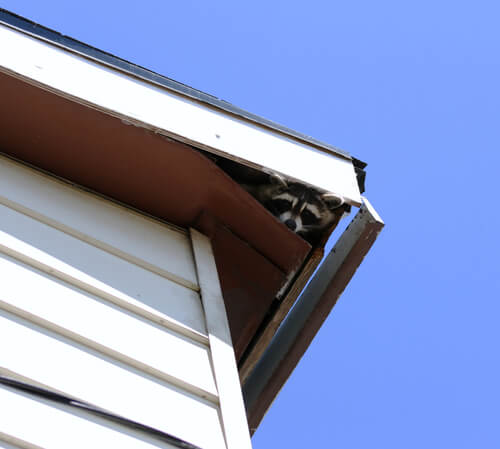
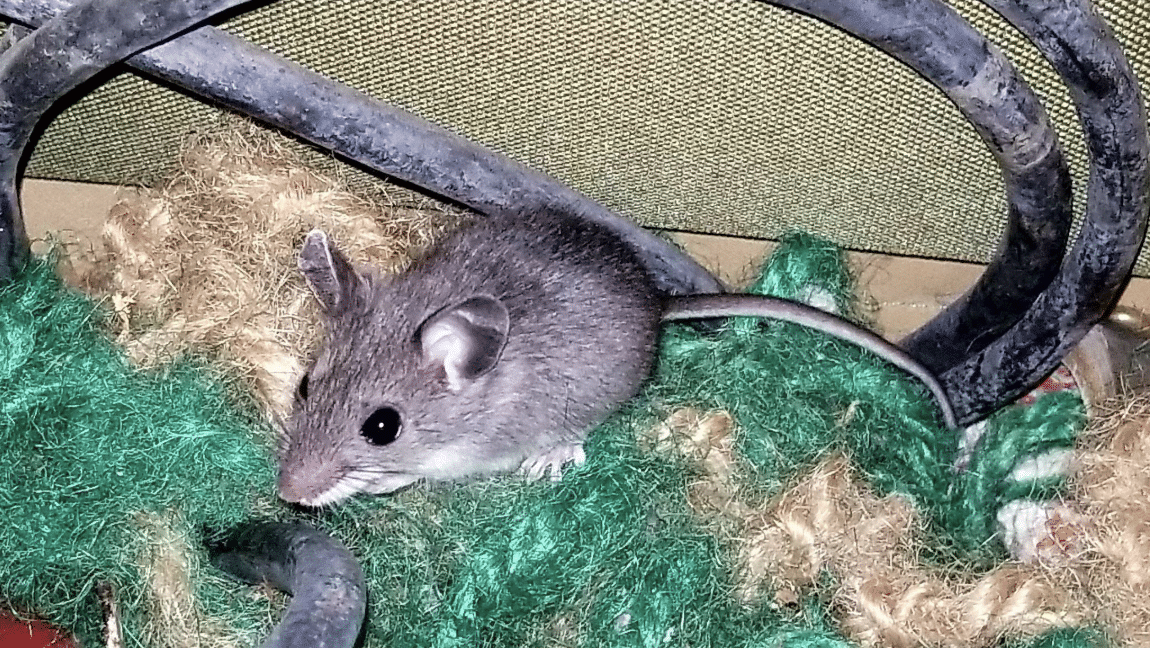
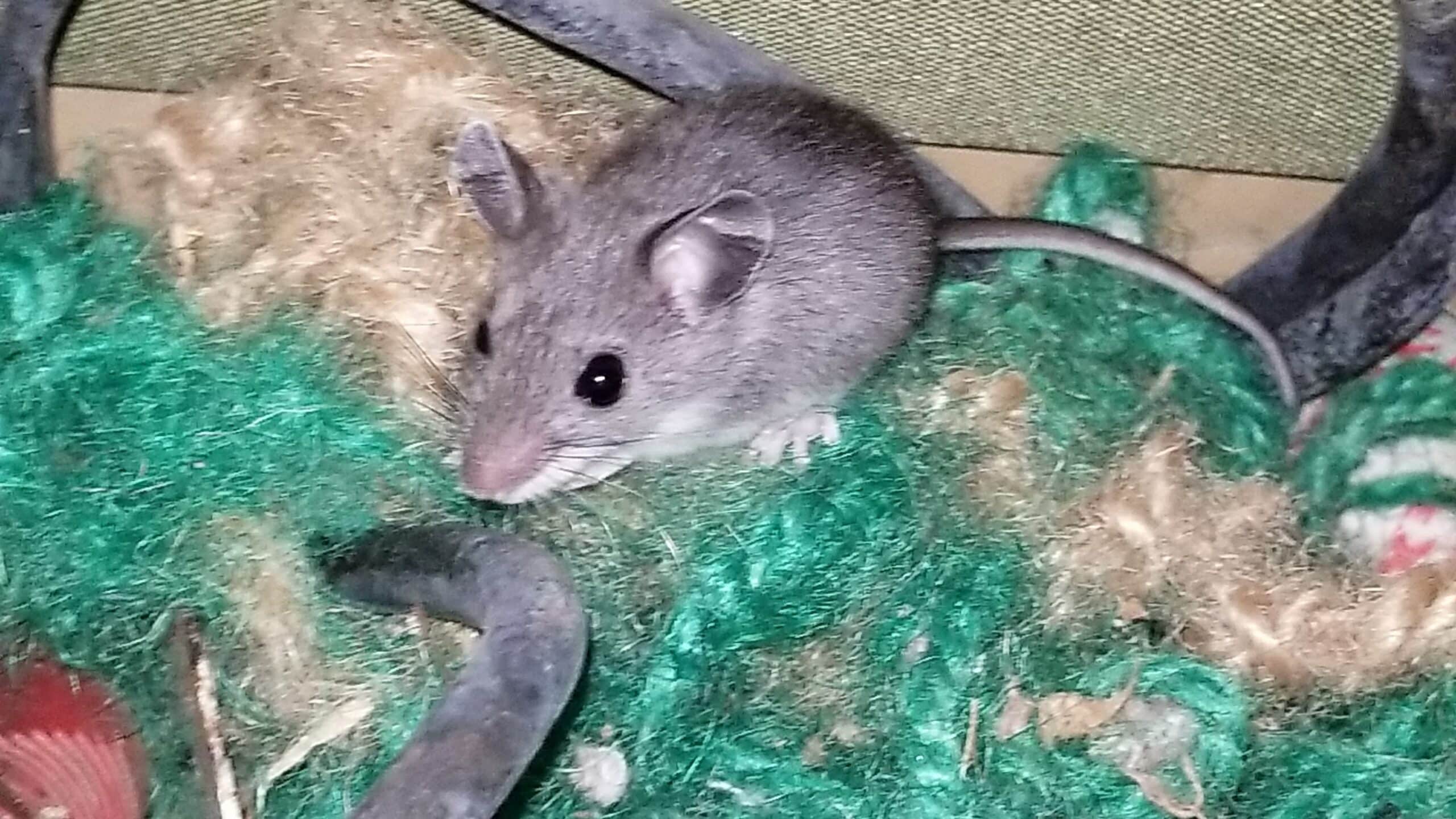
If you’re going to see mice in a Cleveland home, fall and early winter is when it happens. As the weather cools, mice that spent the summer outdoors start looking for somewhere warm with a steady food supply, and your house fits the bill. Knowing when that pressure ramps up lets you get ahead of it. Here’s how mouse activity shifts across the Ohio seasons, and what to do before the fall rush. For year-round help, see our mouse control services.
What Are the Seasonal Patterns of Mouse Activity in Ohio?
Mouse activity in Ohio follows the calendar. Through spring and summer, mice mostly stay outside, where food and cover are easy to come by. As fall sets in and outdoor food thins out, they move toward warmth and shelter, and that’s when indoor sightings climb. The fall-and-winter stretch is the busy season for mouse calls on the west side.
When Do Mice Typically Enter Ohio Homes?
The push indoors usually starts as fall nights turn cold, roughly late September into October. Cooling weather and shrinking outdoor food send mice looking for a way in, and they take the openings already there: gaps at the foundation, spaces around pipes and utility lines, and worn gaps under doors and around basement windows. Sightings pick up through these months, so this is the time to be watching.
How Does Ohio’s Climate Affect Mouse Behavior?
Ohio’s swing from warm summers to cold, snowy winters drives the whole pattern. Mild months keep mice outside; cold ones pull them toward heated buildings. Wet stretches and hard freezes also shift where food is, which changes where mice forage and travel. The colder and leaner it gets outside, the more appealing your basement or a quiet wall void starts to look.
Why Are Mice Most Active During Fall and Winter in Ohio?
It comes down to warmth and food. Here’s the part people get wrong: mice aren’t coming inside because they can’t survive the cold. They’re hardy enough to make it through an Ohio winter outdoors. They come in because a heated house with crumbs, pantry goods, and quiet wall voids is simply a better deal than a frozen yard. Once a few settle in, they stay active all winter, which is why fall is the time to close the door on them, not January.
What Role Does Mouse Breeding Play in Seasonal Activity?
Breeding is what turns a couple of mice into a real problem. Outdoors, house mice breed hardest in spring and fall. The bigger issue is indoors: in a warm house they don’t stop for winter, they breed year-round. Under good conditions a single female can produce around ten litters, roughly fifty young, in a year. So the mice that slip in during the fall aren’t a static handful; left alone, they multiply straight through the cold months.
How Can Ohio Homeowners Prevent Mouse Infestations During Peak Seasons?
Preventing a winter mouse problem is mostly about the work you do before the weather turns. The goal is simple: close the ways in and take away the draw, from the outside.
- Seal from the outside: the repairs that keep mice out happen on the exterior. Caulking interior gaps, like around cabinets, usually won’t stop them and can push them elsewhere. Focus on the foundation, utility penetrations, vents, and the chimney, using materials mice can’t chew through, since caulk alone won’t hold.
- Take away the food: store dry goods in sealed containers and stay on top of crumbs and spills. Mice can live on very little, so an easy meal is an open invitation.
- Get a professional exclusion done: for lasting protection, a pro seals the whole structure with gnaw-proof materials and knows the entry points homeowners miss. We can also run exterior bait stations around the perimeter to knock down the outdoor population before it ever reaches the house.
When Should Homeowners Start Prevention to Avoid Fall Mouse Activity?
The best time to mouse-proof is late summer, think August, before mice start moving in for the season. Getting the exterior sealed and the weak points fixed ahead of the first cold nights means you’re not scrambling once activity picks up. If you’re on a seasonal plan, this is the window to have the structure looked over and any new gaps closed.
How Does Lakewood Exterminating Customize Rodent Control for Ohio Seasons?
We build our rodent work around the season and the house in front of us. In fall, that means getting ahead of the indoor push: sealing exterior entry points, setting control inside for any mice already in, and, where it fits, running exterior bait stations to hold down the outdoor population. What sets us apart holds year-round. We’re locally owned on Cleveland’s west side, the owner trains every technician, our pricing is fixed with no upsells, and we go after the source by rodent-proofing the structure instead of masking the problem with spray. Learn more at Lakewood Exterminating.
Where Can Ohio Residents Request Professional Mouse Control Quotes?
To get a quote or set up a seasonal inspection, call us at (216) 466-2486 or email lakewoodexterminating@gmail.com. Tell us what you’re seeing and roughly when it started, and we’ll help you land on the right plan. You can also request a quote online.
What Common Questions Are Asked About Mouse Activity in Ohio?
- When are mice most likely to enter homes? Most come in during fall and early winter, usually starting as nights turn cold in late September and October.
- How do I spot a mouse problem? Watch for droppings near food or along walls, gnaw marks on packaging or wires, and scratching in the walls and ceilings at night.
- What’s the best way to prevent an infestation? Seal the exterior with gnaw-proof materials and keep food sealed and cleaned up. Handling it before fall beats reacting after.