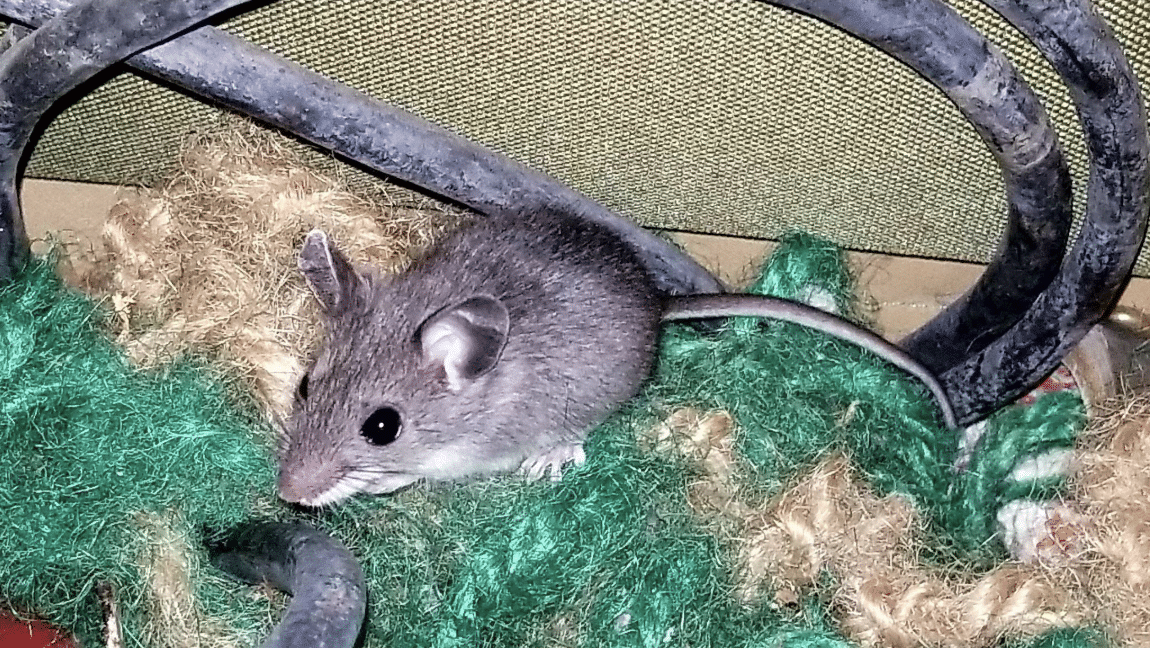
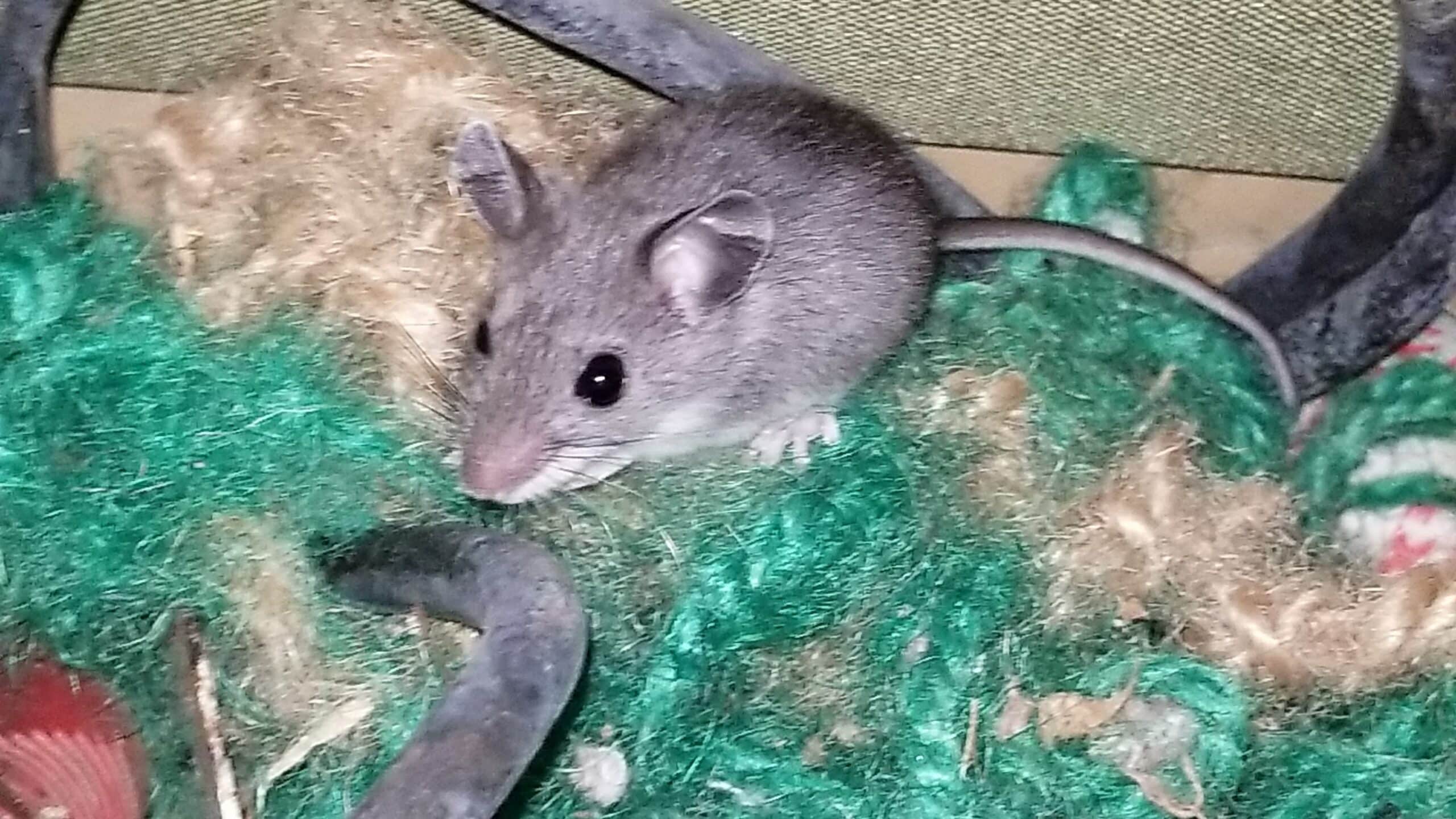
Two kinds of mice turn up in west-side Cleveland homes, and telling them apart matters. House mice and deer mice look alike at a glance, but they nest differently, behave differently, and each one points to a different way the mice are getting in. Here is how we tell them apart in the field, and what actually keeps both out.
Identification Methods
You don’t need a lab to tell these two apart. A good look at the tail and belly does most of the work.
| Species | What It Looks Like | How It Behaves |
|---|---|---|
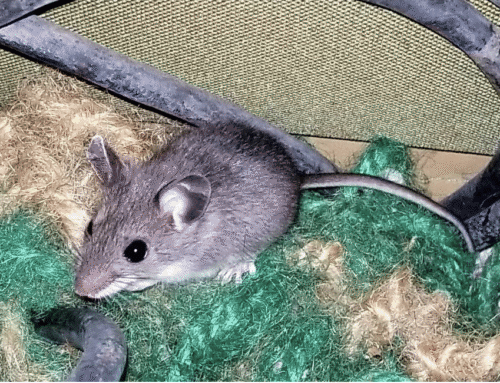
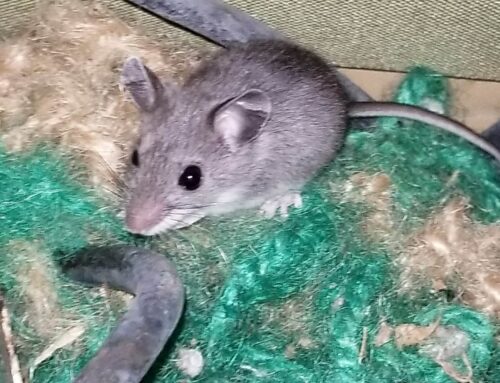
| House Mouse | Dusky gray to medium brown, belly never fully white, large ears, tail about as long as its head and body combined | Active mostly at night, comfortable around people, curious enough to investigate anything new |
| Deer Mouse | Brown on top with a clean white belly, and a sharply two-toned tail: dark above, white below, with a crisp line between | Cautious and quick, usually on its own, tied to fields and woods |
Get the tail and belly right and you’ve almost always got your answer. The behavior confirms it.
Distinctive Characteristics for Effective Rodent Control
Getting the species right changes how we treat the problem. House mice are the ones that settle in and multiply. Indoors, in good conditions, a single female can produce around ten litters, roughly fifty young, in a year. Miss them early and a handful becomes an infestation fast.
Deer mice are field mice that wander in from the edges. They don’t build the same runaway indoor populations, but they’re the ones tied to hantavirus, so their droppings get handled with more care. Knowing which mouse you’re dealing with tells us where to look and how hard to push.
Prevention Strategies
Keeping mice out is mostly about the outside of the house, not the inside.
- Work the exterior first. Seal gaps from the outside in. Sealing the interior alone can backfire, walling mice inside the structure instead of shutting them out.
- Close the small stuff. A mouse slips through a gap just over a quarter inch. Check where pipes and wires enter, along the foundation, and under doors.
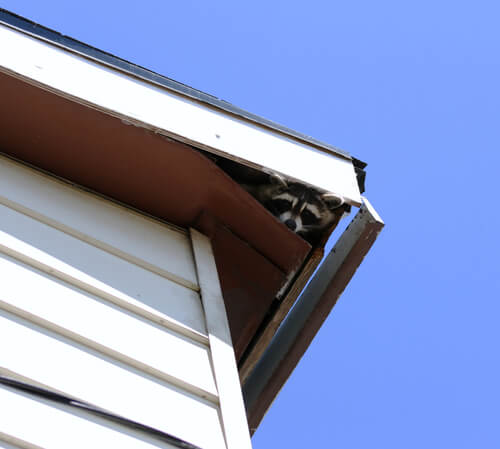
- Screen the weak points. Vents, the chimney, and roof-vent pipes are common entries. Tight, rodent-proof screening shuts them down.
- Cut off food and water. Store dry goods in sealed containers and fix damp spots. Mice can live on very little.
None of this replaces getting the mice already inside out, but it’s what keeps the next ones from following.
What Are the Distinctive Characteristics of House Mice in Ohio Homes?
House mice are the mice most Cleveland homeowners actually deal with. They live alongside people and rarely leave.
How to Recognize House Mouse Appearance and Behavior
A house mouse runs dusky gray to medium brown, with a body around 2.5 to 4 inches and a nearly hairless tail about as long as its head and body together. The ears are large for its size. One tell people miss: the belly is a lighter shade, but never truly white. They breed year-round indoors and can put out around ten litters a year, which is why a small problem doesn’t stay small. They’re nocturnal but naturally curious. Unlike rats, they’ll walk right up to something new, which is why traps set in the right spots tend to work early. A single mouse leaves about seventy droppings a day, so signs pile up quickly.
Where Do House Mice Commonly Nest and Live in Ohio Residences?
House mice stay close to food, which puts kitchens and pantries at the top of the list. They tuck nests into warm, sheltered spots (wall voids, attics, under and behind appliances) building a loose ball about four inches across out of shredded paper, cloth, and insulation. They rarely travel more than thirty feet from the nest, so droppings, grease marks, and gnawing usually cluster close to where they’re living. Follow the concentration and you’ll find the nest.
How Can You Identify Deer Mice and Understand Their Health Risks?
Deer mice are field and woodland mice. On the west side, we see them in homes that back up to the Metroparks, open fields, or wooded lots, less so in the middle of a dense neighborhood.
What Visual and Behavioral Traits Differentiate Deer Mice in Ohio?
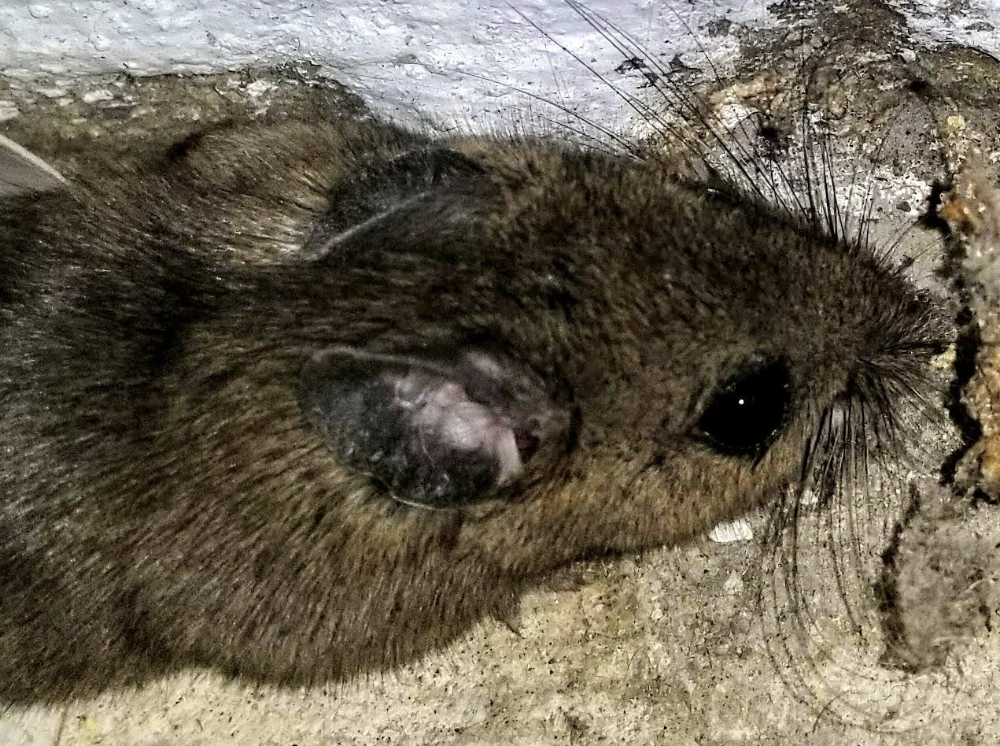
A deer mouse is about the same size as a house mouse or a touch larger, but the coloring gives it away. The back is brown, the belly is clean white, and the tail is sharply two-toned: dark on top, white underneath, with a clear line where the colors meet. That tail is the single most reliable way to call it. They’re more cautious than house mice, quicker to bolt when disturbed, and usually keep to themselves rather than nesting in numbers.
What Are the Health Concerns Associated with Deer Mouse Infestations?
Deer mice are the main carrier of hantavirus, which is the reason they get treated more carefully than house mice. That said, confirmed cases are rare and heavily concentrated in the rural West. Ohio sees very few. The practical takeaway isn’t panic, it’s cleanup: don’t sweep or vacuum dry droppings, since that’s what puts particles in the air. Dampen the area with a disinfectant, wear gloves, and ventilate the space. Handle the source and the cleanup properly and the risk stays low.
What Are the Key Differences Between House Mice and Deer Mice in Ohio Homes?
How to Compare Appearance, Behavior, and Habitat of Both Species
Side by side, it comes down to a few things. A house mouse is gray-brown with no white belly, comfortable around people, and built to breed indoors year-round. A deer mouse has a clean white belly and a sharply bicolored tail, stays skittish, and comes in from the fields rather than settling in for good. House mice want your shelter and your food; deer mice mostly want out of the cold.
One thing that won’t tell them apart: droppings. Deer mouse and house mouse droppings look nearly identical, and so do bat droppings and those of a few other rodents. Go by the tail and belly, not by what you find on the shelf.
What Are Effective Prevention and Control Strategies for Mouse Infestations in Cleveland Homes?
Which Integrated Pest Management Methods Work Best for Ohio Mice?
Real mouse control isn’t a can of spray. It’s inspection, exclusion, and trapping, in that order: find how they’re getting in, shut those routes down from the outside, and remove the mice already inside. We work the exterior of the structure first, because that’s what stops the problem from coming back. If you want the full picture of how we handle it, our mouse control services page walks through it.
When to Seek Professional Rodent Extermination Services in Ohio
A mouse or two you can sometimes handle on your own. Call us when it’s more than that: repeat sightings, fresh droppings showing up faster than you can clean them, gnawing around cabinets or doors, or scratching in the walls and ceilings at night. Those point to an established population that needs the structure rodent-proofed, not just a few traps set.
What Sets Lakewood Exterminating Apart for Rodent Control?
We’re locally owned and operated here on Cleveland’s west side, with no call center and no franchise script. The owner trains every technician, our pricing is fixed so nobody’s upselling you, and we use professional-grade products at the rates they’re meant to be used at. Most of all, we go after the source, sealing the structure so mice can’t get back in, instead of masking the problem with a spray that wears off. That’s why the customers who come to us are usually the ones who tried a big company first and want it done right. Visit Lakewood Exterminating to learn more.