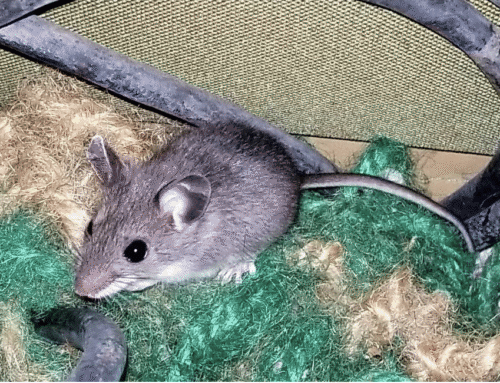
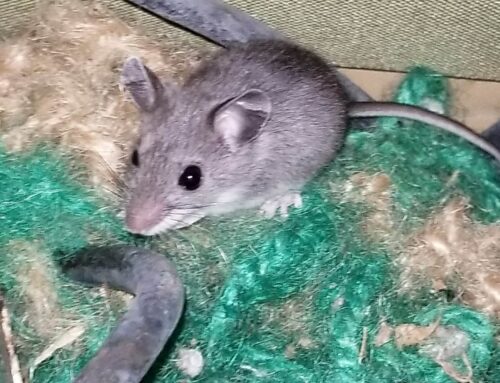
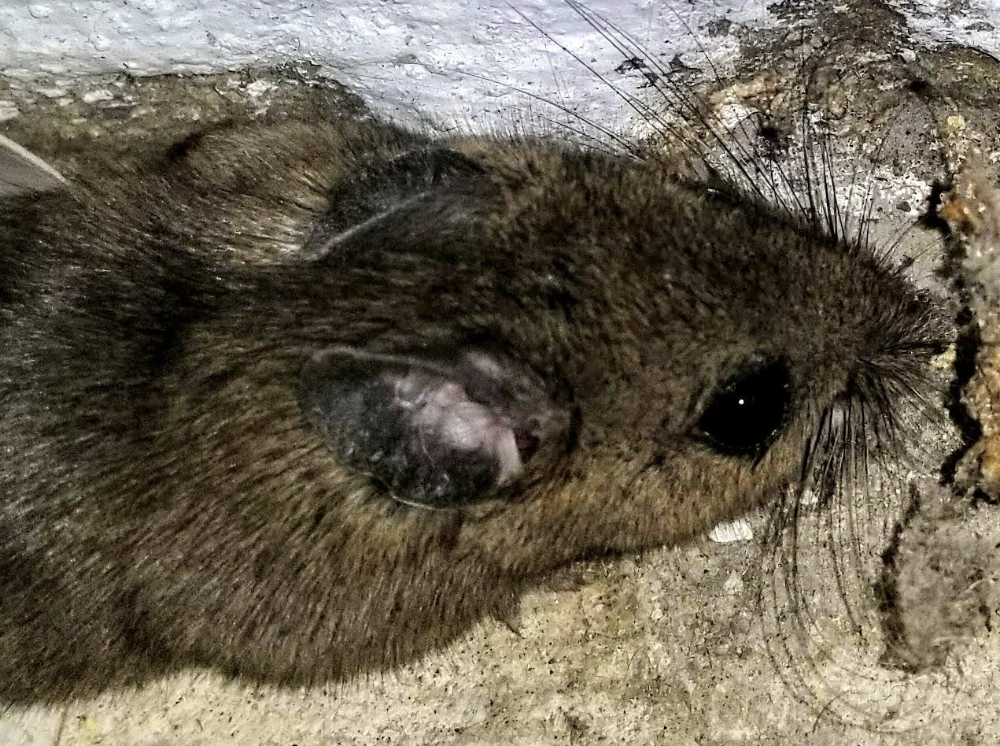
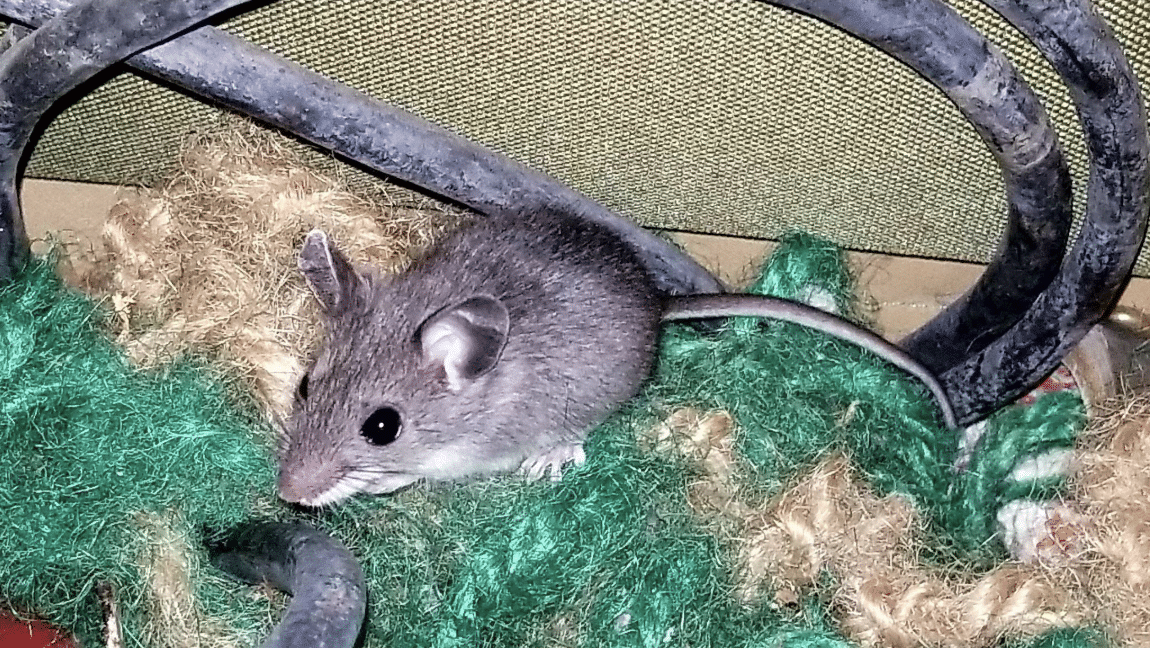
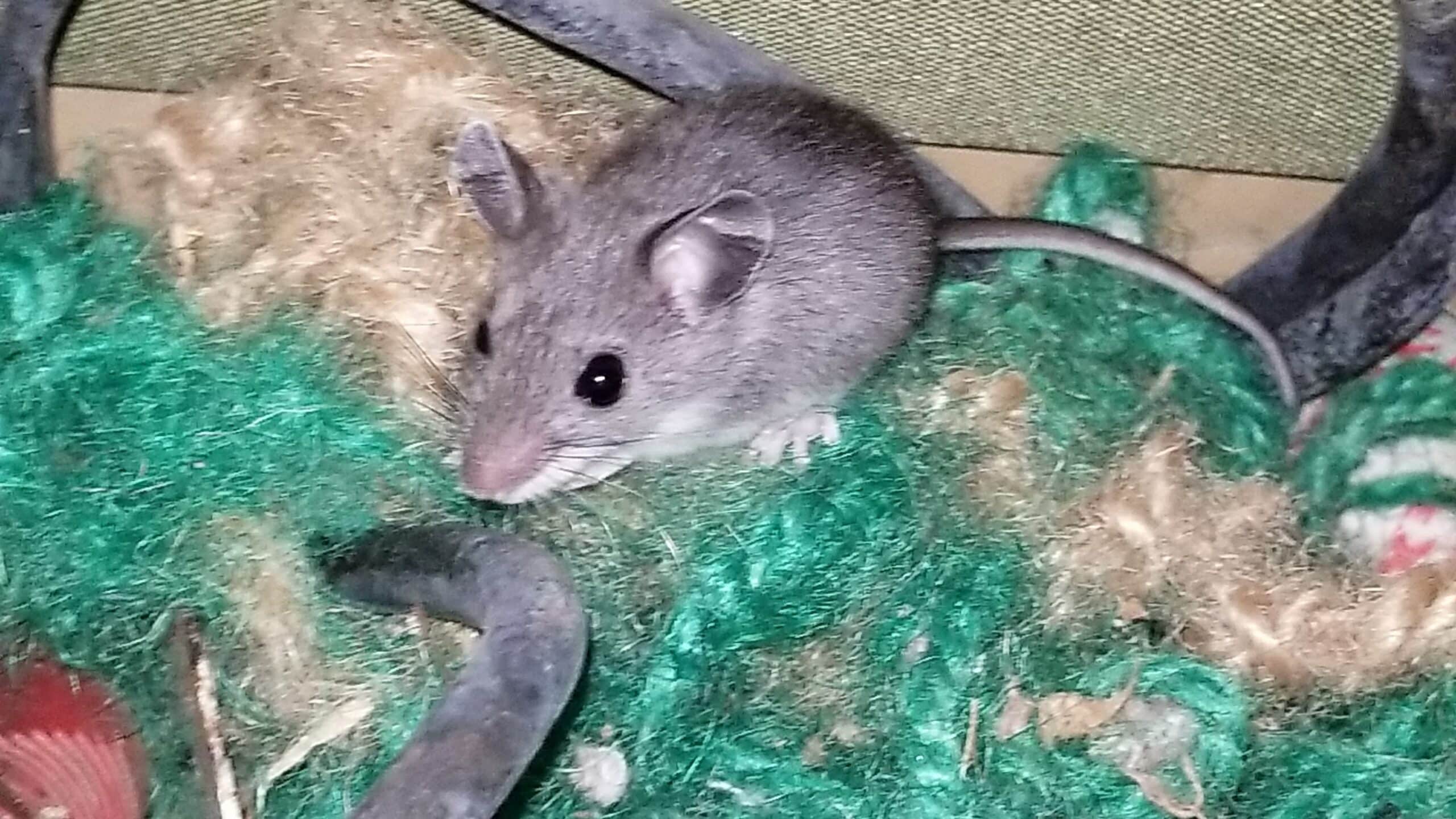
Mice get into Cleveland homes for one simple reason: there’s a way in. They’re built to find it. A mouse squeezes through a gap just over a quarter inch, climbs rough brick and pipe, and runs along utility wires to reach it. The good news is that exclusion works, and it’s most of what we do. Here’s where mice actually get in, how to shut those routes down, and why the repairs that last happen on the outside of the house. For the full picture, see our mouse control services.
What Are the Most Common Mouse Entry Points in Ohio Homes?
A mouse only needs a gap just over a quarter inch, about the width of a pencil, to get inside. Most of the openings they use sit down low and are easy to walk right past.
- Foundation gaps and cracks: cracks in the foundation and gaps where the foundation meets the siding lead straight into the basement and lower walls.
- Utility penetrations: the spots where pipes, electrical lines, cables, and gas lines pass through the wall are almost never sealed tight. Mice follow them right in.
- Basement windows and door gaps: loose or poorly sealed basement windows, and worn gaps under exterior doors, are direct routes inside.
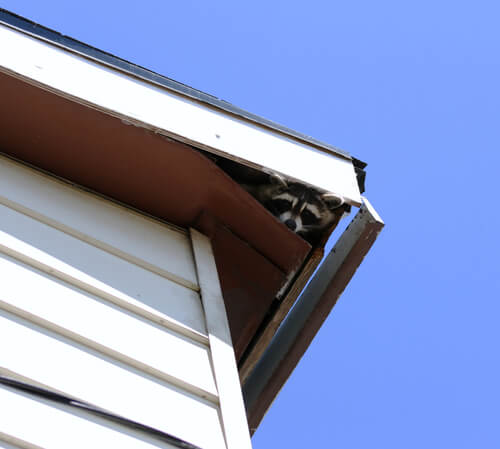
Mice don’t only come in at ground level. They climb rough brick and siding, run along utility wires, and use overhanging branches to reach the roofline, which puts vents, gaps under the eaves, roof-vent pipes, and the chimney in play too. Wherever there’s an opening, they’ll find it.
Effective Rodent Exclusion Tips
Exclusion is most of the battle with mice, and one rule drives everything: seal the outside, not the inside. Sealing interior gaps, like caulking around kitchen cabinets, usually won’t keep mice out of the kitchen, and it can push them into other parts of the house. The work that holds up happens on the exterior, closing the openings before mice ever reach the living space. The sections below cover where to look, what to seal with, and when it’s worth calling a pro.
How Do Doors, Windows, and Utility Lines Facilitate Mouse Entry?
Doors, windows, and utility lines are the openings people walk past every day. Worn weatherstripping and gaps under exterior doors, loose or unsealed basement windows, and the open spaces where pipes and wires enter the wall all give mice a way in. Check these along the outside of the house and seal them with materials mice can’t chew through. For more on how we handle rodent-proofing, visit Lakewood Exterminating.
How Can Homeowners Identify Signs of Mouse Infestation Early?
Even with good exclusion, it helps to know the early signs so you can move fast. The usual tells: small dark droppings near food or along walls, scratching or scurrying in the walls and ceiling at night, faint greasy rub marks where mice run the same routes, shredded nesting material, and a musky, ammonia-like odor in enclosed spaces. Catch these early and the fix is simpler.
How to Conduct a Professional-Grade Rodent Inspection at Home
A good inspection follows the same order we do:
- Inside: check attics, basements, and behind and under appliances for droppings, gnawing, and nests.
- Outside: walk the full perimeter looking for gaps at the foundation, around utility penetrations, under doors, and along the roofline and vents.
- Confirm activity: traps or a little tracking powder in suspected spots tell you whether mice are active and where.
The point is to find both the mice and the way they’re getting in. The second part is what most homeowners miss.
What Materials and Techniques Are Most Effective for Sealing Rodent Entry Points?
Not everything holds up to a mouse. Caulk and foam on their own get chewed through, so the materials have to be gnaw-proof:
- Xcluder fabric: stainless steel mesh that packs into gaps and holes; mice can’t chew through it. It’s our go-to for most openings.
- Spray foam backed by fabric: foam seals and insulates, but only when it’s backed by Xcluder or copper so it can’t simply be gnawed away.
- Copper mesh: good for smaller gaps and around pipe penetrations.
- Clear sealant: finishes the repair and keeps weather out where a visible patch would stand out.
Technique matters as much as material: pack the gap tight, back soft material with metal, and seal from the exterior.
Which Simple Home Repairs Can Reduce Mouse Access?
Some of the most effective steps aren’t sealing at all. They’re taking away the routes and the cover:
- Trim vegetation: keep shrubs and tree branches off the house. Overhanging branches are a bridge to the roofline.
- Clear clutter: move firewood, debris, and stored items away from the foundation so mice lose their cover.
- Close the small gaps: stay after worn door sweeps, gaps around pipes, and cracks that open up over time.
On every job we point out the factors feeding the problem, like vegetation touching the home, clutter, and bird feeders, because exclusion only holds if those get handled too.
When Is Professional Rodent Exclusion Service Recommended?
DIY can handle a stray mouse and a few obvious gaps. Call a professional when:
- The signs keep adding up: ongoing droppings, nesting, or damage point to an established population.
- You can’t find the way in: entry points are often in spots that are hard to reach or easy to miss, like the roofline or behind a porch.
- You want it to last: rodent-proofing a whole structure takes the right materials, the right access, and knowing where mice actually travel.
Getting help at the right time saves you from the damage an infestation does while you’re still chasing it.
How Does Lakewood Exterminating Provide Expert Rodent Exclusion Services in Cleveland, Ohio?
Rodent-proofing is what we’re known for on Cleveland’s west side, and every job runs the same way:
- Full inspection, inside and out: we locate the activity indoors and the entry points outside, then walk you through what we found.
- Exterior-first repairs: we seal the openings on the outside using spray foam, Xcluder fabric, and sealant, then control whatever mice remain inside. Interior repairs usually aren’t recommended, since blocking mice in only complicates the job.
- Follow-up built in: our multi-visit option adds return trips and a warranty, with a final check to confirm mice are no longer getting in.
Because every home is different, the exact mix of repairs and control is built around what your house actually needs, not a one-size template.
How Can Customers Request a Rodent Inspection or Exclusion Quote?
To set up an inspection or get a quote, call us at (216) 466-2486 or email lakewoodexterminating@gmail.com. Tell us what you’re seeing and where, and we’ll get you the details you need. You can also request a quote for pest control online.