Bed bugs are most active in July, August, and through October, when summer travel peaks and indoor warmth speeds up their life cycle. Heated homes keep them active every month of the year, so there is no true off-season.
If you have ever wondered what month bed bugs are most active, the answer is late summer, with July through October often seeing increased bed bug activity. This peak is not because bed bugs hibernate during the rest of the year. Warmer conditions can support their reproduction, while vacation season can increase their movement through hotels, rental properties, and luggage. By October, bugs that hitchhiked home in June or July may have multiplied into populations large enough to notice. This guide walks through the seasonal pattern, the reasons behind it, and what you can do about it in any month. For local treatment options, learn more about Bed Bug Control in Cleveland.
What Month Are Bed Bugs Most Active Across the US?
National pest management industry surveys and the annual bed bug rankings published by major extermination companies point to the same window: treatments climb through June and July, then peak in August and September before tapering into late fall. September usually takes the top spot for reported infestations. The lag makes sense once you understand the timeline. A single fertilized female that rides home in your luggage in early July needs no partner to start a colony, and at summer temperatures her offspring mature in about five weeks. Two generations later, usually somewhere between Labor Day and Halloween, bites and blood spots become impossible to ignore and the phone calls start.
Why Summer Is Peak Bed Bug Season
Temperature controls almost everything about bed bug biology. At 80 to 85 degrees Fahrenheit, an egg hatches in about a week and a nymph grows to adulthood in roughly a month, which means a small hidden colony can multiply tenfold over a single summer. At cooler temperatures, the same life cycle stretches out, sometimes dramatically. Warm weather also makes the bugs themselves more active: they feed more often, travel further from their hiding spots, and leave more visible evidence behind.
That combination is what defines peak bed bug season. More feeding means faster reproduction, faster reproduction means bigger populations, and bigger populations are simply easier to discover. Add the fact that people sleep less heavily, scratch bites more, and move furniture around for summer cleaning, and the bugs that hid all spring quietly suddenly get noticed. To catch a colony before it reaches that stage, follow a regular bed bug inspection guide how to inspect for bed bugs rather than waiting for bites to pile up.
How Summer Travel Drives Infestations
Summer travel infestations follow a predictable pattern. Bed bugs are professional hitchhikers with no interest in dirt or hygiene; they care about proximity to sleeping humans. Every airport, hotel corridor, and rental property is a transfer station, and luggage is the perfect delivery vehicle. The classic scenario looks like this: a bug crawls into a suitcase beside a hotel bed, rides home, and settles within a few feet of where its new host sleeps. The traveler notices nothing for weeks because early infestations are tiny and bed bug saliva contains an anesthetic. One bug, or one batch of eggs, is all it takes.
| Where travelers encounter bed bugs | Risk level | Quick precaution |
| Hotels and motels | High | Check mattress seams, sheet corners, and headboard before unpacking |
| Vacation rentals | High | Inspect the bed and sofa on arrival; keep luggage in the bathroom or on tile |
| Airplanes and airports | Moderate | Keep the suitcase zipped and off upholstered seats |
| Buses, trains, and rideshares | Moderate | Keep bags on your lap or hard surfaces, never on the floor by seats |
| College dorms at August move-in | High | Inspect the bed frame and mattress before the first night |
| Secondhand furniture and mattresses | Very high | Examine every seam, zipper, and joint before it enters your home |
The dorm row matters more than people realize. August move-in concentrates thousands of students, mattresses, and duffel bags into shared buildings, which is one more reason September tops the infestation charts. A five-minute hotel bed bug checklist on arrival stops the overwhelming majority of pickups before they happen.
Are Bed Bugs Active in Winter?
Outdoors, yes and no. Bed bugs exposed to genuine freezing temperatures die after several days of sustained cold, which is why you cannot blame winter bites on bugs living under your porch. Indoors, winter changes nothing. Your living room sits at 68 to 75 degrees in January exactly as it did in July, and the colony behind your baseboard does not know the season. Holiday travel in December does quietly seed plenty of new infestations, and those populations surface in February and March when they have grown large enough to spot. So the honest answer is that bed bugs do not have a dormant season, only a slower one.
Indoor Temperature Activity: Why Heating Keeps Them Going
Indoor temperature activity is the variable most seasonal guides skip. Everything depends on where the bugs are living. A colony in a heated bedroom at 72 degrees breeds steadily all year, just a bit slower than in August. A colony in an unheated seasonal cabin or a cool basement crawls through winter in slow motion, taking months to complete the cycle that summer finishes in five weeks. That is also why do-it-yourself cold treatments disappoint: a mattress left in a garage overnight rarely stays below freezing long enough in the bugs’ protected crevices to kill every stage.
Slower does not mean harmless. Bed bugs can survive for several months between blood meals at room temperature, so an apartment that sits quiet all winter can still harbor a viable colony that rebounds when the thermostat rises in spring. If you know or suspect an infestation, waiting for cold weather to solve it is not a plan; compare bed bug treatment options instead and act while the colony is still small.
Month-by-Month Bed Bug Activity Calendar
This calendar reflects typical US pest control call patterns for indoor infestations. Exact timing shifts a few weeks by region and climate, but the shape of the curve is remarkably consistent year to year.
| Month | Activity Level | What Is Happening |
|---|---|---|
| January | Low to moderate | Heated homes keep cycles turning; holiday travel cases surface. |
| February | Moderate | Slow but steady reproduction indoors at thermostat temperatures. |
| March | Moderate | Spring break travel begins moving bugs between regions. |
| April | Rising | Warmer rooms speed up nymph development. |
| May | Rising | Early vacation season; first wave of luggage pickups. |
| June | High | Summer travel season is in full swing; life cycles hit peak speed. |
| July | Peak | Fastest reproduction of the year plus maximum travel. |
| August | Peak | Move-in season adds dorm infestations to travel cases. |
| September | Peak | Highest reported infestations; summer colonies become visible. |
| October | High | Detection of August-September pickups continues. |
| November | Moderate to high | Indoor heating sustains populations as travel tapers. |
| December | Moderate | Holiday travel seeds new colonies for the new year. |
Read the table as a warning about lag, not just a ranking of months. The infestation you discover in September was almost certainly imported in June or July. Prevention done during peak travel months buys you a quiet fall.
How to Protect Your Home During Peak Season
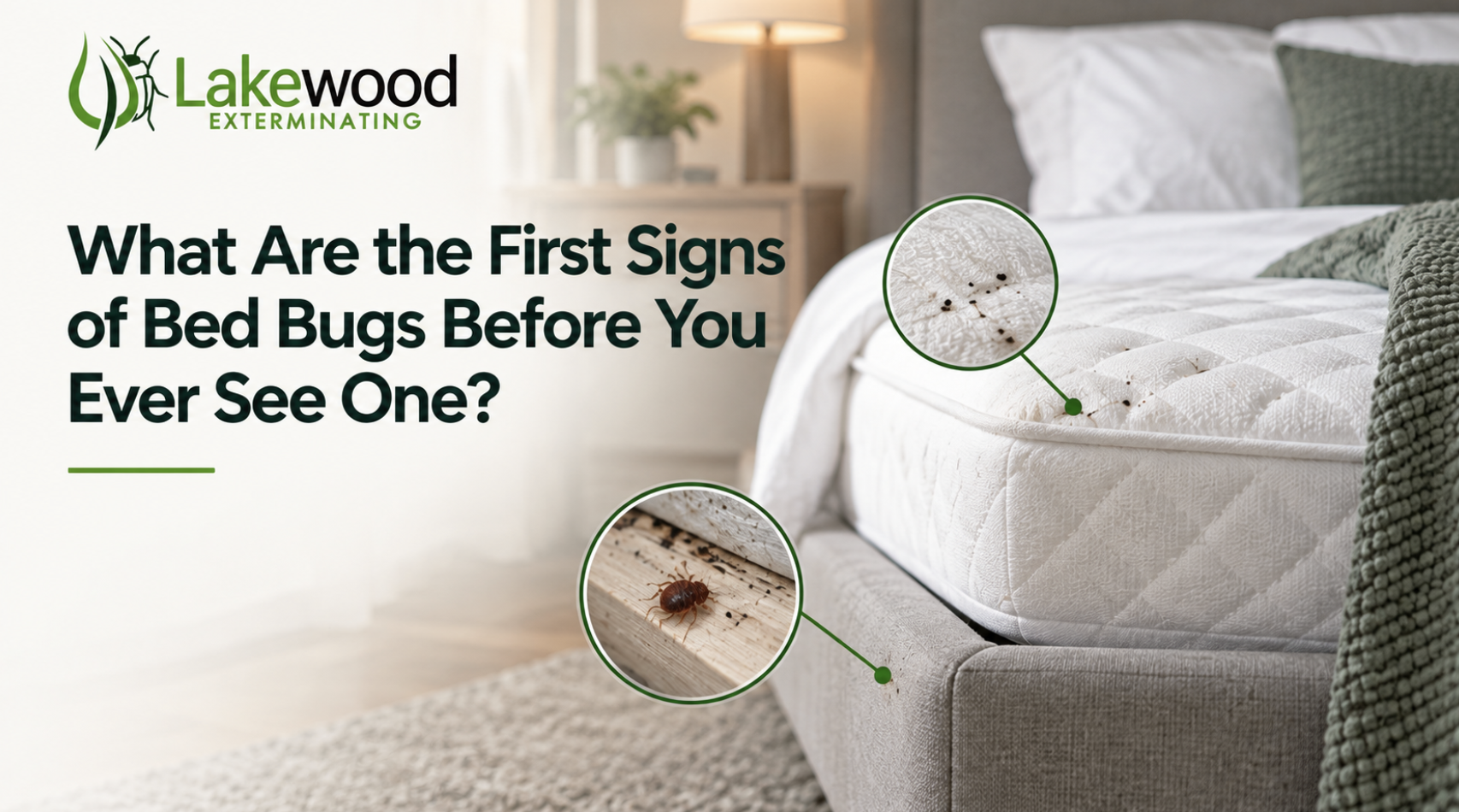
Peak season protection comes down to three habits. First, inspect before you unpack anywhere you sleep: mattress seams, box spring corners, headboard joints, and the luggage rack. Keep your suitcase zipped and parked on tile or in the bathtub until you have checked the bed. Second, treat everything you traveled with on return: run clothing through a hot dryer cycle for at least 30 minutes, and leave the emptied suitcase in a hot car or sealed bag rather than storing it under the bed. Third, guard the entry points. A quality mattress encasement denies bugs their favorite hiding spots, and interceptor cups under bed legs catch anything climbing toward you at night.
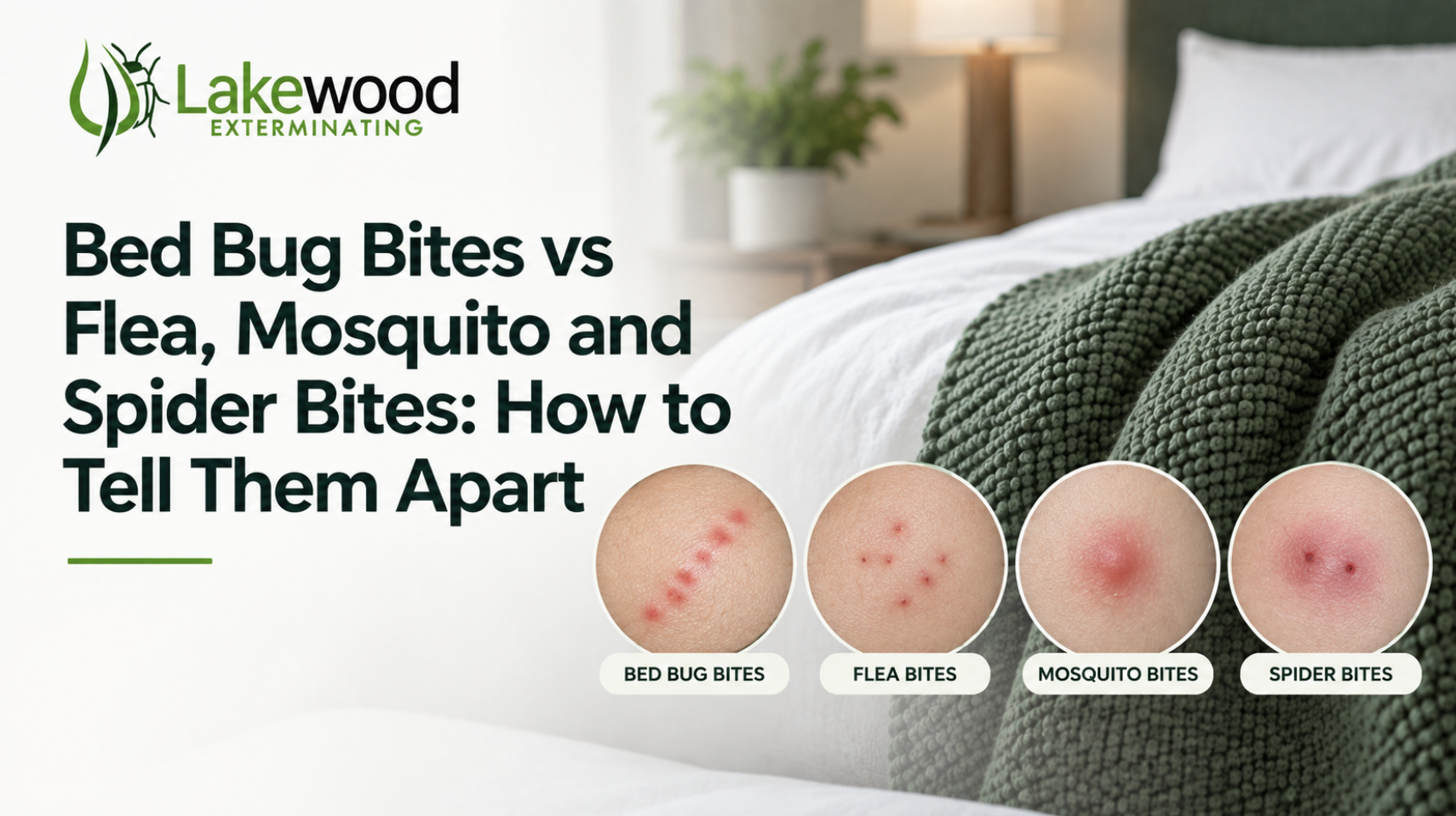
Watch the other door into your home as well: secondhand furniture. August and September curb-shopping season hands thousands of people free infestations along with free couches. If bites do appear, confirm what you are dealing with before treating anything, since flea and mosquito bites mimic bed bug bites; our bed bug bite identification guide covers the visual differences. For confirmed cases, whole-home heat treatment ends every life stage in a single visit regardless of the month on the calendar.
Frequently Asked Questions
Do bed bugs die off in the winter?
Not indoors. Bed bugs living in a heated home stay active and keep breeding all winter, just more slowly than in summer. Only bugs exposed to days of sustained sub-freezing temperatures outdoors die from cold, and almost no infestation in a lived-in house ever faces those conditions. Treat winter as a slower season, never a safe one.
Can bed bugs survive in an empty house?
Yes, for a remarkably long time. At room temperature bed bugs can go several months between blood meals, and well-fed adults in cool conditions have survived close to a year in laboratory studies. Vacating a home starves them eventually, but a colony can wait out a long vacancy and reactivate when new occupants, or their furniture, arrive.
Why are infestations usually discovered in the fall?
Because of the lag between pickup and population growth. Bugs carried home in June and July multiply quietly for roughly two to three generations before bites, blood spots, or shed skins become noticeable. By September, the math of a warm-weather life cycle turns a few hitchhikers into a visible infestation, which is why fall tops the charts.
Do bed bugs bite more often in summer?
They feed more often and grow faster in summer warmth, so bites per bug can increase, and bug numbers climb fastest then as well. In a heated home the difference is modest year-round. Any sudden increase in bites signals a growing population, whatever the season, and deserves an inspection rather than an explanation.
How cold does it have to be to kill bed bugs?
Roughly 0 degrees Fahrenheit held for at least four days kills all life stages, including eggs, but only if every bug is exposed the entire time. Items deep inside mattresses or wall voids stay insulated well above the air temperature, which is why amateur freezing attempts usually fail and professionals rely on controlled heat instead.
Conclusion: Late Summer Is Peak, but Every Month Counts
The answer to what month bed bugs are most active is July through October, with September usually leading reported cases, but the useful takeaway is the lag behind the peak. The colonies found in fall were imported in summer, which means travel-season habits decide your fall. Inspect rooms before unpacking, heat-dry everything after a trip, encase your mattress, and treat any confirmed infestation early, because a small colony in any month is cheaper to eliminate than a large one in September. Start with a professional inspection if you suspect activity; it costs little and tells you exactly what you are dealing with.