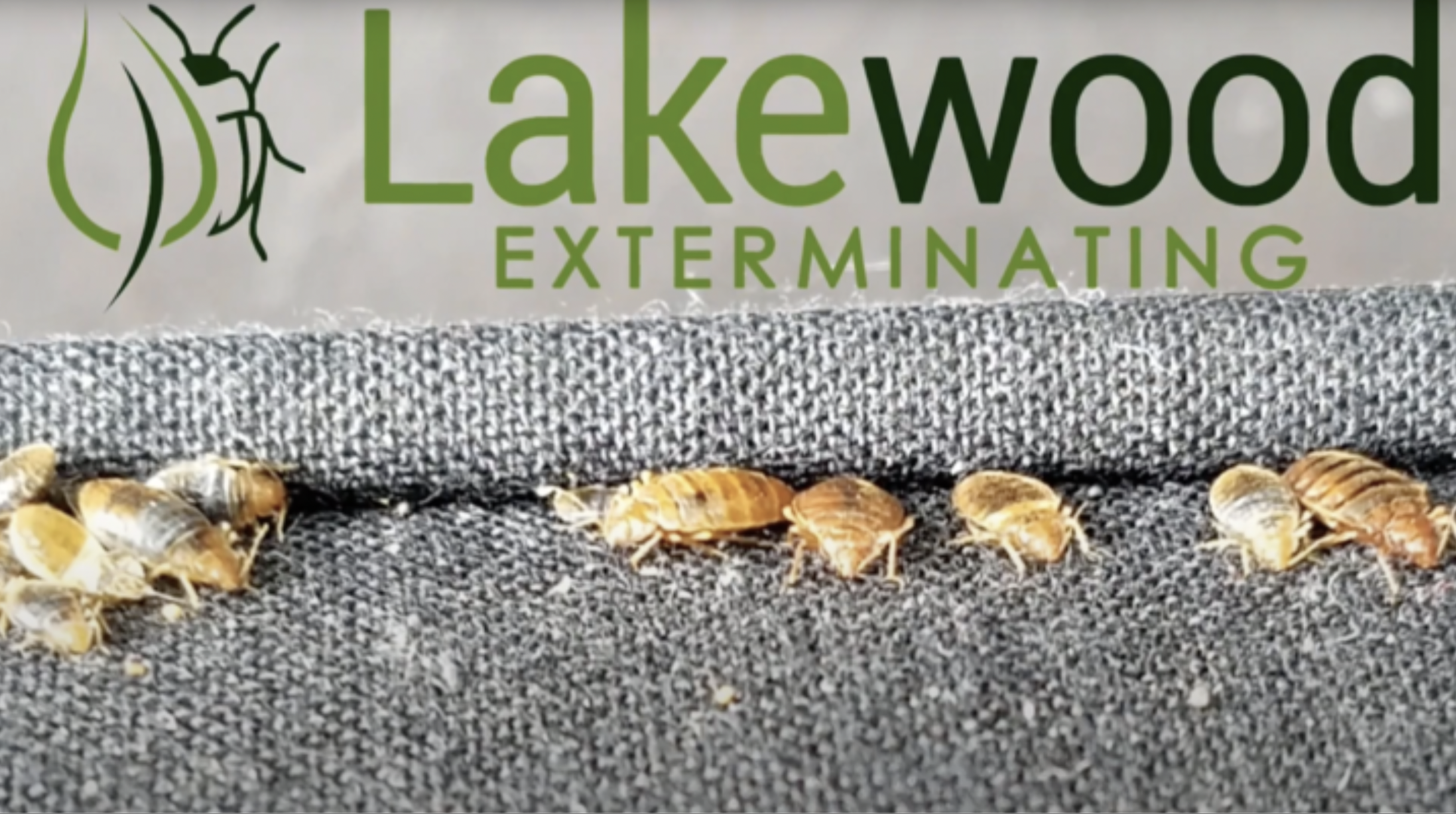
Heat treatment kills every bed bug life stage, eggs included, in one long visit, but it costs more and demands heavy prep. Chemical treatment costs less and keeps working after it dries, but sprays don’t kill newly laid eggs, so it depends on a follow-up inspection timed to the hatch.
If you’re comparing heat treatment vs chemical bed bug treatment in Cleveland, the real question isn’t which method is stronger. It’s which one fits your home, your budget, and how much disruption you can take. Both work when they’re done right. They work on different timelines and at different price points.
I’ll be upfront: Lakewood Exterminating doesn’t do heat treatment. Our Bed Bug Control in Cleveland program is chemical-based, built around inspection, targeted application, mattress encasements, and follow-up. That doesn’t make heat a bad option. You should know what each method does well before you spend money on either one.
What Is Whole-Room Heat Treatment?
Whole-room heat treatment raises an infested room, or a whole house, to a temperature bed bugs can’t survive. Crews bring in industrial heaters and high-volume fans, push the air to roughly 120 to 135°F, and hold it there for several hours. Temperature sensors go into mattresses, furniture, and wall areas to confirm the heat is reaching the places bugs hide. The fans matter as much as the heaters. Circulation is what eliminates the cold pockets bugs retreat into.
The science behind it is simple. The Pest Management Operators Training Manual notes that one hour at 113°F (45°C) kills most bed bugs. Heat hits every life stage at once, eggs included, and leaves no pesticide residue.
The trade-offs are cost, heavy prep, and zero protection once the room cools. One missed cold spot, like a stuffed closet or a packed dresser the heat never fully penetrated, can let the infestation survive. With heat, the crew’s skill matters more than the equipment.
What Is Chemical Bed Bug Treatment?
Chemical treatment is what we do. A licensed applicator treats the places bed bugs actually live: mattress and box spring seams, bed frames, headboards, couch and recliner seams, baseboards, and furniture joints. Most bed bugs stay confined to beds, sofas, and chairs, so our main treatment zone is within about 6 feet of anywhere people sleep or sit. In heavier infestations they spread to secondary spots like curtain folds, drawer joints, electrical outlets, door and window frames, and the gaps behind wall hangings and loose wallpaper.
We don’t rely on a single product. Crossfire is our main bed bug control product, and we bring in others, such as Cimexa dust for cracks, voids, and outlets, based on what the inspection turns up. Mattress encasements cut down hiding spots and make the bed easy to inspect. ActiveGuard liners help keep an infestation from coming back. For heavy populations, we add HEPA vacuuming to physically pull bugs out.
The residual is the advantage. Our products keep working after they dry, and the average residual application lasts around 20 days. Research from Purdue University Extension adds an important detail: liquid insecticides work best when they hit bed bugs directly, not when you’re counting on bugs to wander across dried residue. Placement is everything, which is why choosing an experienced Cleveland exterminator service matters as much as the products being used.
The catch is that sprays don’t kill newly laid bed bug eggs. A chemical program depends on coming back after those eggs hatch.
Heat Treatment vs Chemical Bed Bug Treatment: The Side-by-Side Comparison
Here’s how the two approaches stack up in practice. The chemical column reflects how we run our program.
| Factor | Whole-Room Heat | Chemical (Our Approach) |
|---|---|---|
| Kills bed bug eggs | Yes, in one session | No; the follow-up is timed to the hatch |
| Visits required | Usually 1, plus a check afterward | Initial treatment plus a follow-up inspection about 2 weeks later |
| Time out of the home | Most of a day while heat is applied and held | At least 4 hours, longer if surfaces aren’t dry |
| Residue left behind | None | Residual averages about 20 days |
| Preparation burden | Heavy: heat-sensitive items out, clothing bagged | Moderate: clear the 6-foot zone, launder, bag, vacuum |
| Re-infestation buffer | None once rooms cool | Residual plus mattress encasements |
| Main failure risk | Cold spots or rushed prep | Skipped prep, reintroduction, or resistant bugs |
Heat wins on speed and certainty. Chemical wins on cost and ongoing protection. Which one fits comes down to your situation.
Which One Works Faster: Single Visit vs Follow-Up Treatments?
Why heat usually finishes in one visit
The long hold time isn’t about making the room hotter. It’s about giving the heat time to soak into mattresses, box springs, upholstered furniture, and wall voids. Done properly, one treatment ends the infestation, and any visit afterward is a check, not round two. That single-day certainty is what the higher price buys.
Why chemical treatment needs a schedule
Eggs are the problem. According to the General Pest Management applicator manual, bed bug eggs hatch in one to two weeks, faster in warm conditions. Any egg that survives the first treatment hatches into a nymph that has to cross treated surfaces to reach you.
That’s why our program runs on inspection, not a fixed number of sprays. We come back about two weeks after the initial treatment. If we find live bugs, we spot-treat those areas and inspect again two weeks later. If we don’t find any, we don’t need to return. The initial service and that follow-up inspection are usually all it takes. When activity continues past three weeks, it typically points to bugs being reintroduced or a pesticide-resistant strain.
Skipping the follow-up is the most common reason chemical programs fail. For more on why the timing is so tight, see our bed bug life cycle explainer.
What Does Bed Bug Treatment Cost in Cleveland?
Heat is usually quoted as one flat project price. Chemical pricing varies more from company to company. Some charge per room per visit, others price the whole job. When you compare quotes, total the entire program, follow-ups included. If a company quotes chemical treatment at one low price with no follow-up included, treat that as a red flag. You’re buying a knockdown, not an elimination.
Here’s our published pricing. We don’t do heat, so you won’t find heat numbers here.</span
Prices go up with more rooms, heavy clutter, large populations (over 50 bugs), or more than one bed in a bedroom. Every treatment comes with a 60-day service agreement that covers the follow-up inspection. Every job starts with the inspection, and we have to find live bed bugs before we can schedule treatment. If you catch one, save it in a Ziploc bag or take a video of it.
Which Method Should You Choose?
Match the method to your constraint. If speed is the constraint, heat wins. If budget is the constraint, chemical wins.
| Your situation | Better first choice |
|---|---|
| Must be bug-free by a fixed date (move-in, newborn, elderly parent) | Heat |
| Budget matters and you can commit to the follow-up | Chemical |
| Heavily cluttered home | Declutter first, then chemical |
| Household wants to avoid pesticides | Heat |
| Apartment or duplex with shared walls | Treat your unit and inspect every adjacent unit |
| Frequent travel or high re-infestation risk | Chemical plus mattress encasements |
| Widespread infestation in a large home | Heat followed by a residual, or a thorough chemical program |
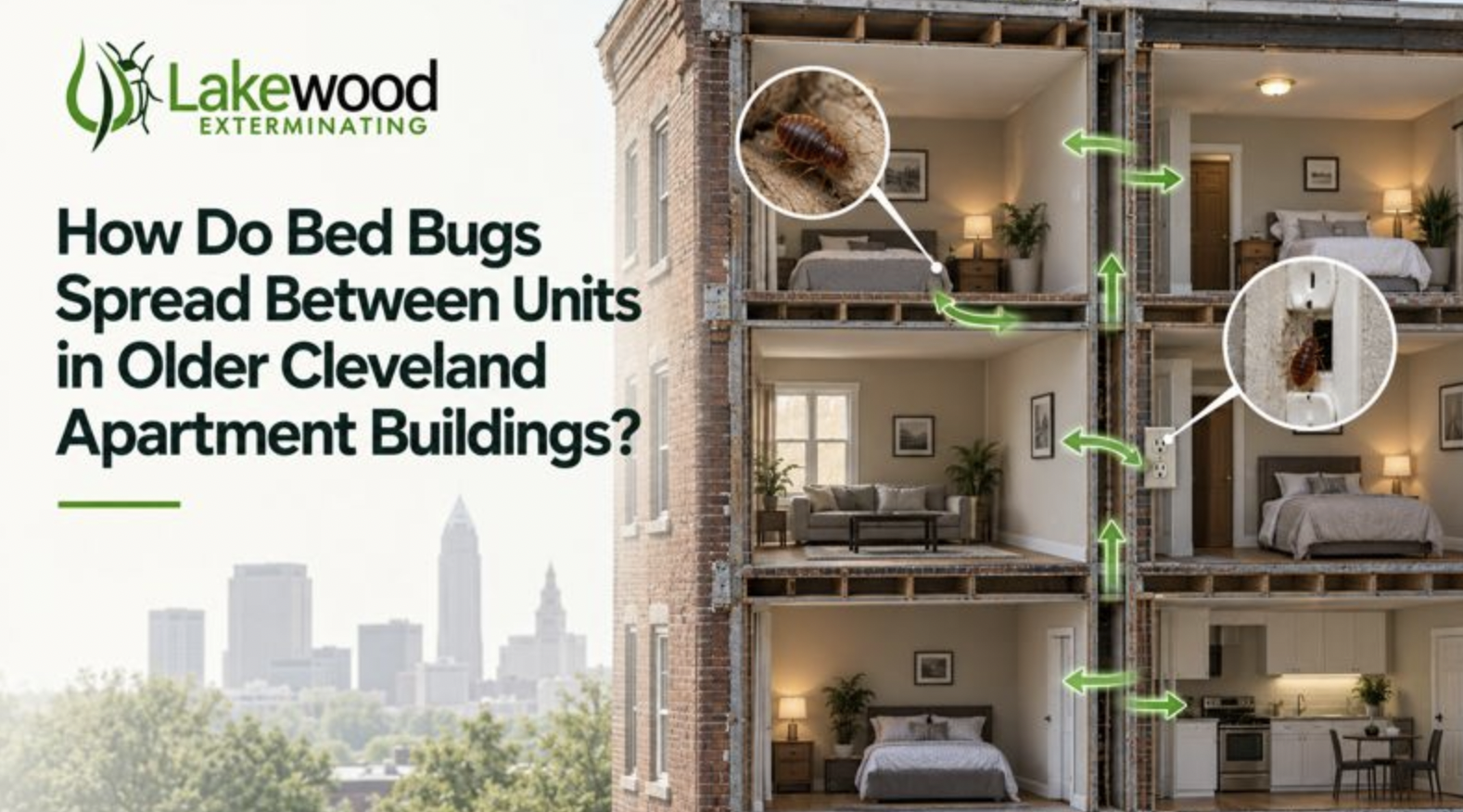
Multi-unit buildings change the math. Purdue University Extension points out that bed bugs move between rooms through cracks and openings in walls and ceilings, so treating one unit while the neighbors stay infested usually ends in re-infestation. When we find live bugs in a rental, we require inspections of the units above, below, on each side, and across the hall. Renters also need the landlord’s permission before we can schedule.
Don’t try to split the difference with store-bought products while you decide. Purdue found that bug bombs and foggers produce droplets that never reach the cracks where bed bugs hide, and they’re a fire hazard near pilot lights. Our prep requires you to stop using your own products and wipe up any dusts before we arrive anyway. And waiting costs you: a female bed bug lays 3 to 4 eggs a day and up to around 500 in her lifetime, according to the Pest Management Operators Training Manual. Pick a method and follow it through.
How to Prepare, Whatever You Choose
Prep is where treatments of both kinds succeed or fail, and heat asks more of you. Before a heat job, anything that can’t take high temperatures has to come out: aerosols, candles, medications, electronics, and musical instruments. Anything pulled out of the room has to be treated or isolated, or you’ll carry the bugs right back in.
Chemical prep is lighter but still real. Here’s what we ask for:
- Focus on the 6-foot zone. Clear clutter around beds, couches, and recliners, and get rid of anything you don’t need.
- Empty storage near the bed. Clear drawers, nightstands, and closets within 6 feet of resting areas so we can treat them.
- Launder and seal. Wash clothes, bedding, and curtains in hot water, then dry on the highest setting for at least 30 minutes with the dryer no more than half full. Bag everything straight out of the dryer.
- Keep items in place. Bag loose belongings and leave them in the room. Moving them to other rooms spreads bugs.
- Clear the bed. Make room to flip the mattress and box spring, and remove plastic mattress covers and torn encasements.
- Vacuum. Go over the floors thoroughly, then toss the vacuum bag in an outdoor garbage can.
- Plan to be out. You and your pets leave for at least 4 hours. Aquariums can stay if they’re covered and the air filters are disconnected.
The full checklist is in our bed bug preparation sheet. After the treatment, sleep in your treated bed right away. Bed bugs need a host nearby to come out. Without you, they stay dormant and won’t cross the fresh product. Wash your bedding within five days, and hold off on mattress pads until after the follow-up inspection.
Frequently Asked Questions
Is heat treatment worth the extra cost in Cleveland?
It’s worth it when speed matters most: a fixed move-in date, a household avoiding pesticides, or a family that needs the problem gone in one day. Before you pay the premium, compare it against the full cost of a chemical program, follow-up included. In most homes we treat, the initial service and one follow-up inspection finish the job.
Can I combine heat and chemical treatment?
Yes. Some companies heat the structure first, then apply residual dusts and liquids to cracks and voids so any reintroduced bug walks into a barrier. If you’ve had heat done and bugs show up again afterward, a residual program is the logical next step, and we can take it from there.
How do I know the treatment actually worked?
Expect a few stragglers in the first week. That’s normal. After that, check mattress seams and put interceptor traps under the bed legs; Purdue recommends checking them every 7 to 10 days. A bite-free week doesn’t prove much, since some people don’t react to bites at all. Our follow-up inspection at about two weeks is the real check. If you find a live bug later in the 60-day agreement, save it in a Ziploc bag or photograph it. We can’t retreat based on bites or sightings alone.
Are the insecticides used against bed bugs safe for kids and pets?
Pesticides are toxic by design, and your risk depends on your exposure. That’s why we follow the label exactly and why the re-entry rules matter. Everyone, pets included, stays out for at least 4 hours. If surfaces aren’t completely dry or an odor lingers, stay out another 2 hours. Anyone with a health condition should check with their doctor about re-entry. If someone in the home is sensitive to pesticides, tell us in writing before service. In that case heat may be the better fit.
Does my landlord have to pay for bed bug treatment in Cleveland?
Often, yes, but it depends on your lease and your city’s housing code. Many local codes put the responsibility on the landlord. Report the problem to your landlord in writing right away. The landlord should schedule the inspection, and we can’t treat a rental without the landlord’s consent. If there’s a dispute, your local health department is the place to start.
Conclusion: Pay for the Method That Fits Your Situation
Both methods work, and neither is a bargain when it’s done halfway. Pay for heat when you need every stage dead in one day and can handle the price and the prep. Pay for a chemical program when you want a lower bill and ongoing protection, and you’re willing to do the prep and keep the follow-up appointment.
Either way, start with a real inspection. Our team is four people, and I train every technician myself, so the person checking your mattress seams knows what they’re looking at. If you’re dealing with bed bugs on the west side, request a quote or call us at (216) 466-2486 and we’ll confirm what you have before it spreads past a room or two.