Most people suspect bed bugs because of itchy bites in the morning. The bites get your attention, but they don’t prove much. What proves an infestation is what the bugs leave behind: small dark fecal specks along mattress seams, pale shed skins near the headboard, and rust-colored smears on the sheets. If you’ve recently traveled, bought used furniture, or had overnight guests and you’re waking up with new bites, that’s the evidence to look for.
Key Takeaways
- Bed bugs enter homes through luggage, used furniture, and other items brought in from infested places.
- Early detection keeps treatment smaller and cheaper. Pricing climbs as more rooms get involved.
- Physical evidence, such as fecal spots, shed skins, eggs, and stains, confirms bed bugs. Bites alone don’t.
- Bed bugs hide in tight spaces near where you sleep and sit, which makes low-level infestations easy to miss.
What Are the First Signs Before You See Bed Bugs?
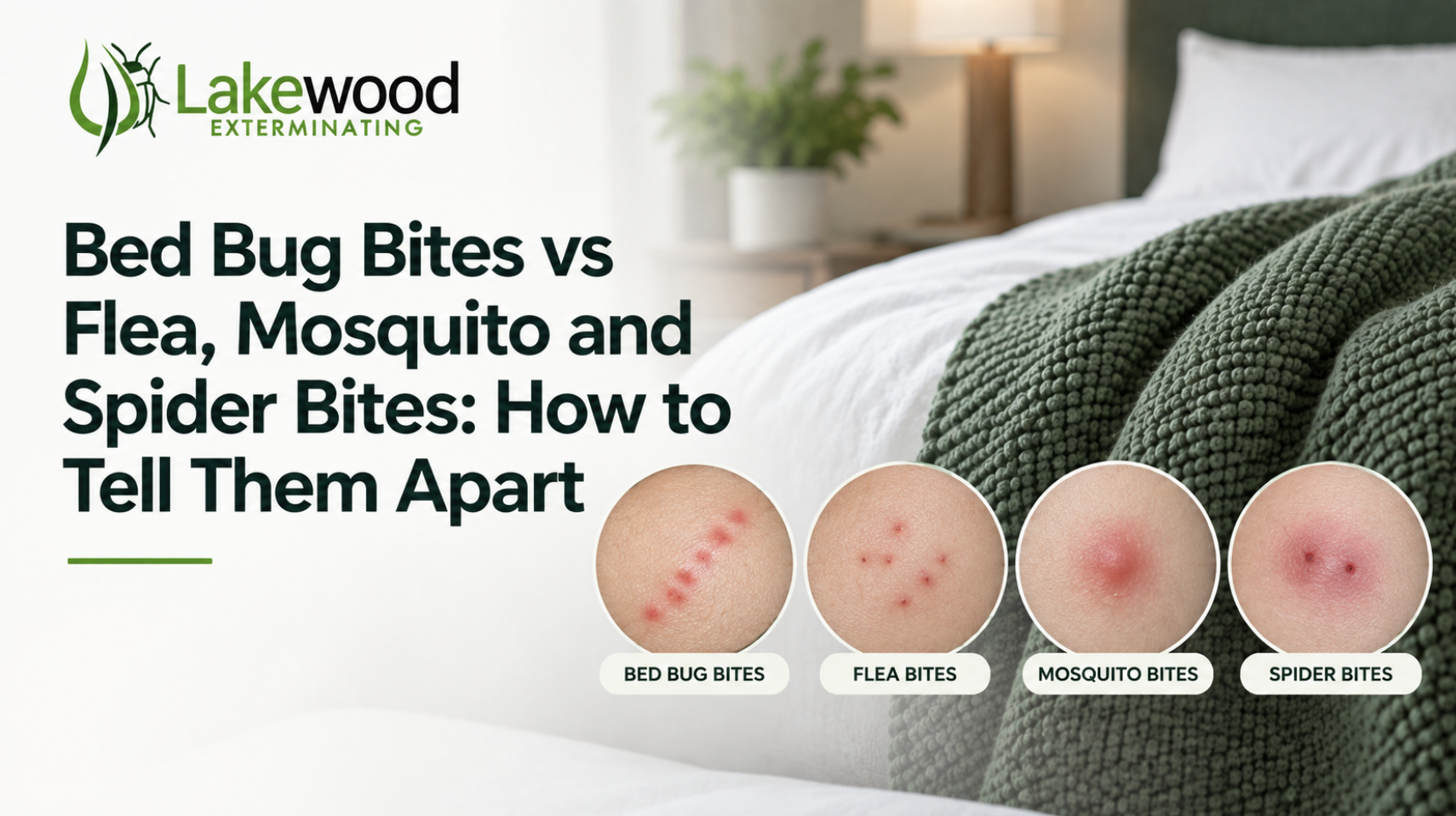
Bites alone rarely confirm a bed bug problem. According to Purdue University Extension, bed bug bites look a lot like mosquito bites, and some people have no reaction at all. The bites also don’t hurt or itch right away, so they won’t wake you up. Two people can sleep in the same infested bed, and only one of them has marks.
Physical evidence is far more dependable than a rash. Bed bugs leave three markers around sleeping areas, usually well before the infestation spreads:
- Bed bug fecal spots: small, dark, ink-like specks clustered along mattress seams and box spring edges
- Shed exoskeletons: the pale, hollow skins bugs leave behind as they grow
- Rusty stains on mattress seams: reddish-brown smears from crushed, blood-fed bugs
Checking for those three gives you a clearer answer than waiting on your skin.
Why shouldn’t you trust bites as proof?
Reactions vary too much. Some people get welts within hours. Others show nothing, even with an active infestation in the mattress. Purdue notes that some people aren’t aware they have bed bugs at all. If you wait for bites to confirm it, the problem has usually spread by the time you’re sure.
Who can help you confirm what you’re finding?
Our Bed Bug Control in Cleveland service is based right here in Lakewood, and we work in West Side homes every day. We’re a four-person team, and I train every technician myself, so the person looking at your mattress seams knows what a real fecal spot looks like and what doesn’t count. Getting an early confirmation keeps a problem in one bedroom from turning into a whole-house job.
Bed bug fecal spots are dark, ink-like dots that soak into fabric rather than sitting on top of it.
What Do Bed Bug Fecal Spots Look Like?
Small dark marks, about the size of a marker dot, mean one thing on a mattress: bed bugs have been feeding nearby. Bed bugs defecate after they feed, and Purdue describes the result as small dark stains on sheets and mattresses. Bed bug fecal spots show up as clusters of tiny black or rust-colored dots, and they tend to smear when rubbed because they’re digested blood soaking into the fabric.
Spotting them takes more than a glance across the sheets. Bed bugs spend the day tucked into dark, tight spaces, and their droppings collect in those same spots. Check these areas with a bright flashlight:
- Seams, tufts, and folds of the mattress
- Box spring crevices and the slats underneath
- Joints and cracks in the bed frame and headboard
- Seams and skirts of upholstered chairs and couches
- Nightstand drawer joints, baseboards, and outlet covers near the bed
Most bed bugs stay within about 6 feet of where people sleep or sit, so that’s where to focus. You’ll often find fecal spots alongside other evidence: shed exoskeletons, rusty stains on mattress seams, and eggs, which Purdue describes as white and about the size of a pinhead. Finding several of these together means an active infestation, not one stray bug that came home in a suitcase.
Can You Mistake Fecal Spots for Something Else?
Yes. Dark specks from mold, ink, and other household sources can look similar. What separates real bed bug evidence is location and company. Bed bug spots cluster where bugs hide, in seams and crevices, and they rarely show up without shed skins, eggs, or live bugs nearby. A single speck in the middle of a sheet tells you very little.
Should You Inspect Your Own Mattress First?
A careful check is a good first step. Pull the sheets, work along every seam with a flashlight, and flip or take apart the bed if you can. Purdue also recommends interceptor traps under the bed legs, which catch bugs traveling between the floor and the bed. If you’ve found a live bug, save it in a sealed Ziploc bag or take a video. That evidence matters more than anything else you can hand a technician.
Why Do Shed Exoskeletons Signal an Infestation?
Molted skins on your mattress or box spring mean bed bugs have already grown up in your home. The General Pest Management manual explains that bed bug nymphs go through five molts and take a blood meal between each one. So every shed exoskeleton represents at least one feeding and one growth stage completed on-site. That’s a life cycle underway, not a hitchhiker passing through.
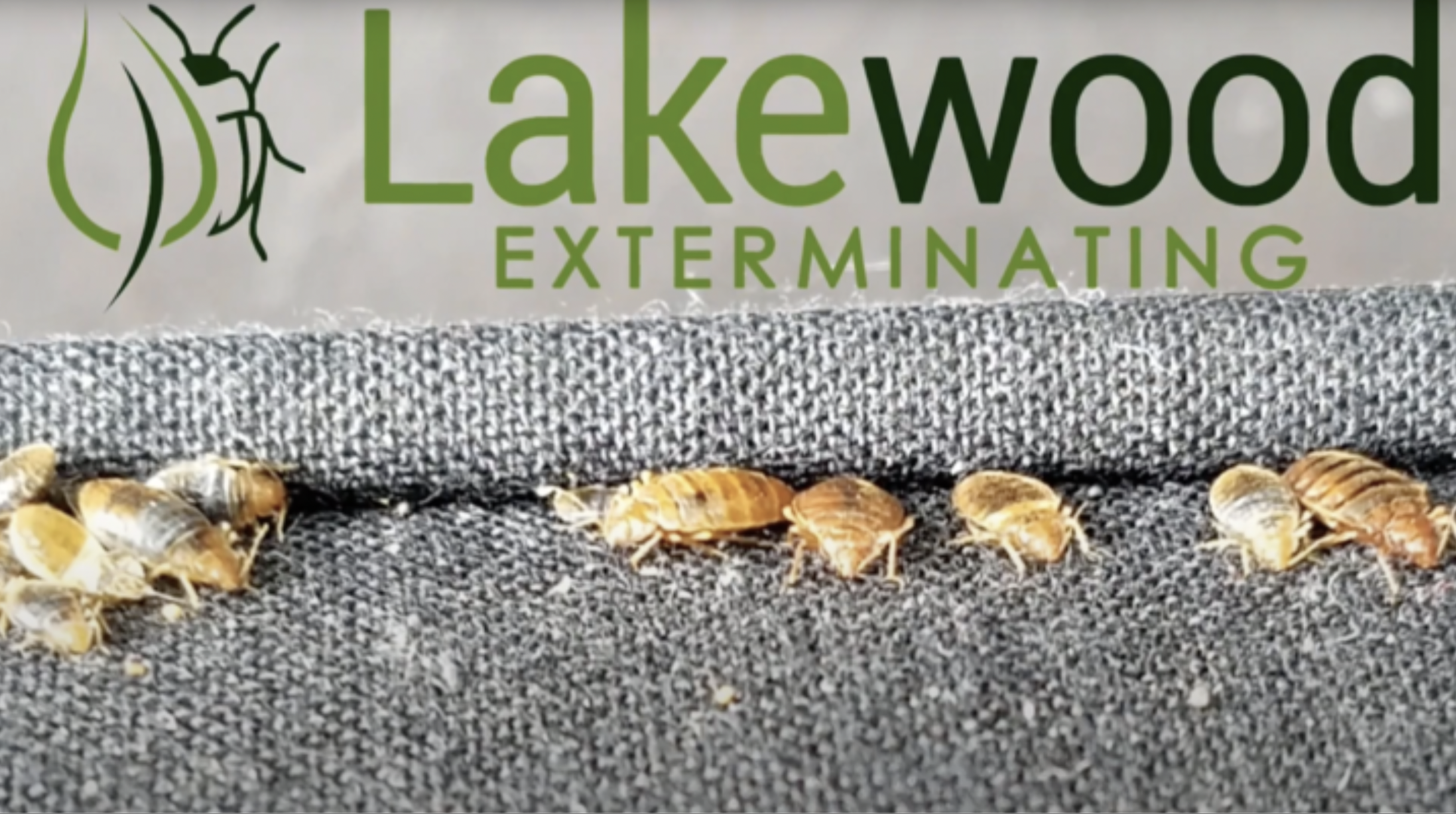
Nymphs start out tiny and nearly colorless, and each molt leaves behind a pale, hollow husk in the shape of the bug. You’ll find them in the same seams, tufts, and headboard cracks as the fecal spots.
Can I mistake shed skins for something else?
Yes, and it happens often. Carpet beetle larvae leave behind light, papery skins that people regularly mistake for bed bug casings. A magnifying glass helps, but the better test is the surrounding evidence. A trained technician looks for live insects, bed bug fecal spots, and rusty stains on mattress seams before confirming anything.
What happens after exoskeletons are confirmed?
We need to find live bed bugs before we can schedule treatment. Once we do, the treatment plan is built around what the inspection found: which rooms are affected, how heavy the population is, and which furniture needs attention. Most of our work happens within about 6 feet of beds, couches, and recliners, where bed bugs spend their time. You’ll get prep guidelines specific to your home, and we come back about two weeks after the initial treatment to inspect.
What Causes Rusty Stains on Mattress Seams?
Crushed bed bugs cause most rusty stains on mattress seams. Not spilled coffee, and not rust from an old frame. Bed bugs feed on blood, and when you roll over in your sleep, you can crush a recently fed bug against the fabric. The blood dries into the reddish-brown mark you find along the piping and folds.
Purdue lists blood stains on sheets and mattresses as one of the key signs of an infestation. Their location is what makes them recognizable. Stains tied to bed bugs tend to line up along seams and edges, where the bugs hide, instead of showing up randomly across the surface.
Are Rusty Stains the Only Sign to Check For?
No. Staining rarely shows up alone. Look nearby for bed bug fecal spots, the small dark specks that look like a marker dot bled into the fabric. You may also find shed exoskeletons, eggs, or live bugs in different sizes. Seeing several signs together separates an infestation from an ordinary stain.
What Should You Do If You Find These Stains?
Don’t wait to see whether the marks multiply. Get an inspection so a trained technician can confirm what you’re looking at before it spreads to other rooms. Our pricing is fixed, and we don’t use commission-based salespeople, so you won’t get pushed into services you don’t need.
Until then, don’t spray anything yourself. Purdue notes that bug bombs and foggers don’t reach the cracks where bed bugs hide. Before a treatment, we also have to ask you to stop using your own products and remove any dusts you’ve applied.
When Should You Call a Local Exterminator?
Call as soon as you find physical evidence: bed bug fecal spots on the sheets, shed exoskeletons near the seams, or rusty stains on mattress seams. Waiting rarely helps. A contained infestation is cheaper and easier to treat than one that has spread through bedrooms and into the living room. Our pricing goes up with the number of rooms affected, with clutter, and with heavy populations, so early detection pays off.
A lot of West Side housing is doubles and multi-unit buildings with shared walls. Purdue explains that once bed bugs are established, they move from room to room through cracks and openings in walls and ceilings. When we find live bugs in a rental, we require inspections of the units above, below, on each side, and across the hall.
How quickly should I act after finding signs of bed bugs?
Right away. A female bed bug lays 3 to 4 eggs a day and up to around 500 in her lifetime, according to the Pest Management Operators Training Manual. The longer an infestation sits, the more rooms it reaches and the more it costs to resolve. A prompt inspection also tells you whether you’re dealing with bed bugs or another insect entirely.
What should I expect from a professional inspection?
Every bed bug job starts with an inspection. We check mattress seams, box springs, bed frames, upholstered furniture, baseboards, and the secondary spots bed bugs move into as an infestation grows, like curtain folds, drawer joints, outlets, and door and window frames. The inspection confirms whether bed bugs are active, measures how heavy the infestation is, maps which rooms are affected, and ends with a price quote and prep guidelines written for your home.
The inspection is $75 plus tax for a single-family home. If you’ve seen live bugs, save one in a Ziploc bag or film it, so there’s evidence even if the bugs stay hidden while we’re there. When you’re ready, schedule an inspection.
FAQ
Can bed bug bites confirm an infestation?
No. Reactions vary widely, and some people don’t react at all. Fecal spots, shed exoskeletons, eggs, and rusty stains give you a far clearer answer.
Where should you check for bed bug fecal spots?
Check mattress seams and tufts, box springs, bed frame joints, headboards, upholstered furniture seams, baseboards, and outlet covers near the bed. Concentrate on the area within about 6 feet of where people sleep or sit.
Who can help confirm signs of bed bugs?
Lakewood Exterminating, based in Lakewood, OH. Our inspection confirms whether bed bugs are active, which rooms are involved, and what treatment will take, with prep guidelines specific to your home.
Conclusion
Bites get your attention, but the evidence is in the seams. Dark fecal spots, pale shed skins, and rust-colored stains near the bed tell you what’s going on long before the bugs show themselves. Find them early, and treatment usually stays contained to a room or two.
If you’ve found any of these signs, talk to a pest control professional who knows West Side homes. Call us at (216) 466-2486, and we’ll tell you what you’re dealing with.