A mouse exterminator usually gets rid of mice in a Westlake home within 4 to 6 weeks. Most mice inside are controlled in the first 1 to 2 weeks, and a final visit around weeks 4 to 6 confirms new mice are no longer getting in.
That mouse extermination timeline assumes a professional service that seals entry points, not just one that sets traps. Lakewood Exterminating handles mouse control across Westlake and the Cleveland west side, and our three-visit schedule is built around exactly this window.
The exact length depends on how many mice are inside, how many gaps the house has, and whether food sources are removed. Below is what each week looks like, what slows the process down, and what to do if you still notice mice after treatment.
How Long Does It Take an Exterminator to Get Rid of Mice?
Professional mouse control takes about 4 to 6 weeks from the first visit to confirmed results. University wildlife specialists at University of Missouri Extension note that a house mouse control program usually needs at least two weeks to complete, and confirming that no new mice are entering takes longer than that.
Small infestations caught early often quiet down in the first week. Established populations with nests in walls, attics, or crawlspaces take the full cycle, because the goal is two things: remove the mice already inside and stop new ones from coming in.
Mouse Extermination Timeline: Week by Week
A typical three-visit mouse service follows a set schedule. Each stage has a specific job, and skipping one is the most common reason infestations drag on.
| Stage | Timing | What Happens |
|---|---|---|
| Initial visit | Day 1 (45 to 75 minutes) | Interior and exterior inspection, ground-level entry points sealed, traps and bait stations placed |
| Active control | Days 1 to 14 | Traps catch mice along their travel routes; bait in stations takes several days to work |
| First follow-up | Week 1 to 2 | Traps cleared and reset, stations refilled, recommended repairs checked |
| Waiting period | Weeks 2 to 6 | Time for any new mice to show up if gaps remain open |
| Final visit | Week 4 to 6 | Goal is zero activity, which confirms mice are no longer entering |
| Warranty window | Through day 90 | Covered return visits if activity comes back |
If only traps are used instead of rodenticide, follow-ups usually happen more often, since traps need clearing and repositioning sooner. Bait-based control lets visits spread further apart.
One-Time Service vs Three-Visit Plan Timeline
The initial visit is the same in both options, but the timelines differ after day one. With a single service, you check the traps yourself and can book half-price follow-ups within 60 days. With the three-visit plan, a technician handles both follow-ups and confirms the result. We compare both in detail in one-time vs multi-visit mouse treatment.
What Affects How Long Rodent Control Takes?
How long rodent control takes depends mainly on infestation size, the number of open entry points, and available food. Each factor either adds weeks or removes them.
| Factor | Speeds It Up | Slows It Down |
|---|---|---|
| Infestation size | A few mice caught early | Breeding population with nests in walls or insulation |
| Entry points | Gaps sealed on day one | Attic, roofline, or under-porch gaps left open |
| Food sources | Bird feeders removed, food stored sealed | Spilled seed, pet food out overnight, acorns in gutters |
| Repairs | Recommended repairs done before the first follow-up | Repairs delayed for weeks |
| Season | Spring and summer, lower outdoor pressure | Fall, when mice push indoors for warmth |
Westlake homes face strong fall pressure. Dropping fall temperatures and mature trees with heavy acorn drop push mice toward foundations from September onward, so treatments started in fall often need the full six weeks. See local service details for pest control in Westlake.
What Happens During the First Mouse Control Visit?
The first visit sets the pace for the whole timeline, because every later step depends on how well entry points and travel routes are found on day one. A thorough first visit is the single biggest factor in a short timeline.
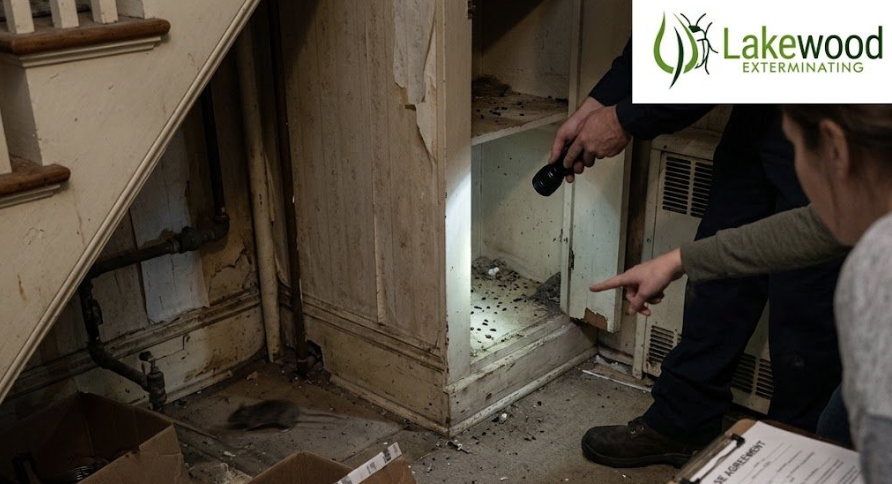
- Consultation: you point out where you have seen droppings, heard noises, or caught mice.
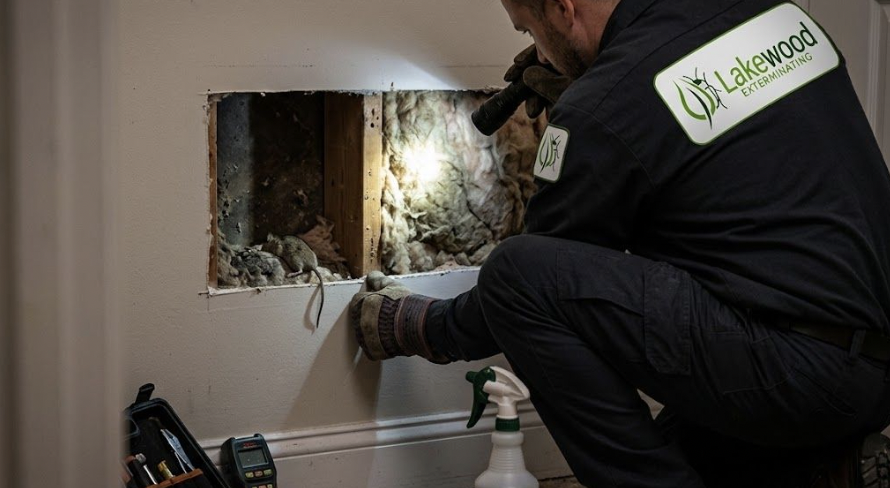
- Interior inspection: the technician checks the kitchen, basement, attic, and garage to locate activity and travel routes.
- Exterior inspection: the foundation and siding are checked for gaps mice are using to get inside.
- Patchwork repairs: ground-level gaps are sealed with spray foam, copper or Xcluder fabric, and clear sealant.
- Control placement: snap traps go inside protective boxes in living areas, and tamper-resistant bait stations go in unfinished spaces like the basement box sill.
Before leaving, the technician lists any extra repairs that would help, such as roofline gaps or vent screening. Getting those done early is the fastest way to reach a zero-activity final visit.
Why Is Professional Mouse Control Faster Than DIY?
Professional mouse control is faster because it treats the cause, open entry points, instead of only the mice you can see. DIY trapping often runs for months because new mice keep replacing the ones caught.
Store-bought traps placed in the middle of a room or near the wrong wall miss mice that travel along edges. Meanwhile, the gap that let the first mouse in stays open, and its scent trail keeps drawing others. A trained technician places control on active runways, seals gaps on the same visit, and returns to adjust anything that is not working. That combination is what turns an open-ended problem into a 4 to 6 week mouse extermination timeline.
Why Are Mice Still Active After Treatment?
Mice still active after treatment almost always means an entry point is still open or a food source is still available. It does not usually mean the treatment failed.
House mice can fit through any gap a quarter inch or larger, according to University of Nebraska-Lincoln Extension, which also stresses that both males and females must be caught for control to hold. Here are the common reasons activity continues:
- Repairs outside the included scope: gaps that need a ladder, attic openings, and spaces under porches are quoted separately and often stay open longer.
- Pheromone trails: mice leave scent trails that guide neighboring mice to the same opening until it is sealed.
- Traps off the route: mice are curious about new objects, but they seldom travel more than 10 to 30 feet from their nest, so a trap outside that range can sit untouched and needs moving.
- Food still available: pet food, bird seed in the garage, or crumbs under appliances keep mice comfortable.
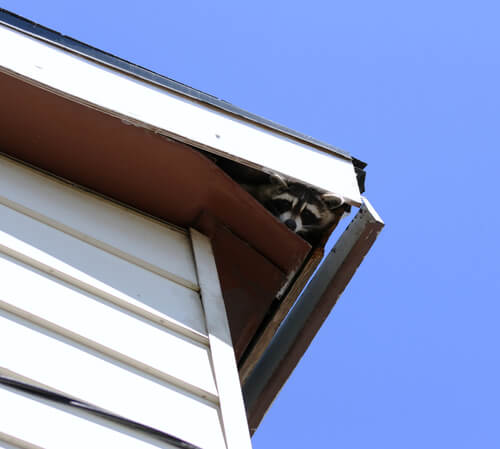
- It may not be mice: heavier running or daytime noise overhead can point to squirrels.
If attic sounds have you unsure what is up there, our guide on what that noise in your attic could be explains how to tell mice from squirrels and other wildlife.
Still hearing mice? Book a follow-up visit
How Do You Know When Mice Are Gone?
You know mice are gone when traps stay empty, no fresh droppings appear, and bait in stations stops being eaten for two or more weeks. A professional confirms this on the final visit.
- No new droppings after you clean old ones away.
- Traps undisturbed between checks.
- Bait station levels unchanged.
- No scratching in walls or ceilings at night.
- The musky odor in cabinets and basements fades.
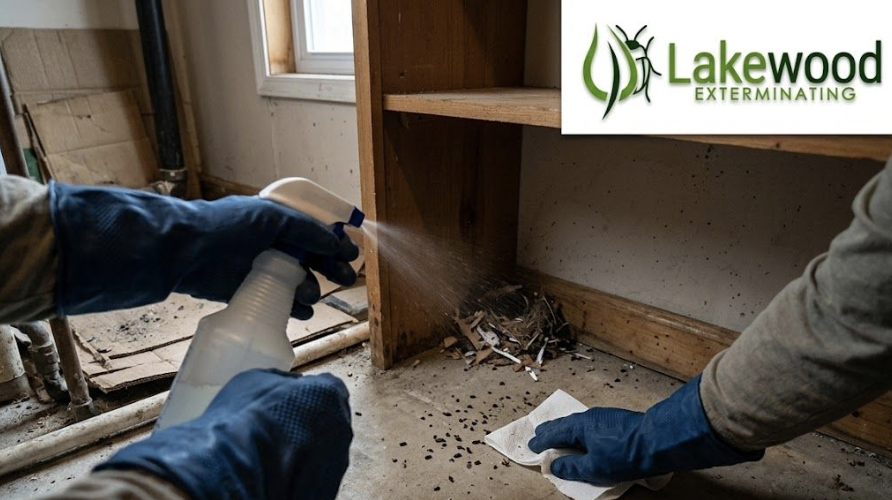
Clean up old droppings with gloves and a disinfectant spray instead of sweeping or vacuuming, then watch the area. New droppings on a clean surface are the clearest sign that activity has returned.
How to Shorten Your Mouse Extermination Timeline
Homeowners can cut weeks off the process by removing food, clearing access, and finishing repairs early. These steps help the technician work faster:
- Clear access to the attic hatch, crawlspaces, and the top of basement walls.
- Pull stored items away from walls shared with an attached garage.
- Remove bird feeders and store grass seed and pet food in sealed containers.
- Trim shrubs and branches back from the house and clear ground cover beds.
- Complete recommended repairs before the first follow-up visit.
Get Mice Out of Your Westlake Home on a Clear Schedule
Mice multiply quickly, so starting early keeps the timeline short. Our team inspects, seals entry points, places control, and returns to confirm the result. Request a free mouse control quote and we will send pricing and the next available appointment, or call (216) 466-2486.
Frequently Asked Questions
How long does rodent control take to work?
Rodent control starts working within days, with most indoor mice caught in the first 1 to 2 weeks. Full confirmation that no new mice are entering takes about 4 to 6 weeks.
Is it normal to hear mice after treatment?
Yes, for the first several days. Mice already inside are still moving until they reach traps or bait. Activity that continues past two weeks usually points to an open entry point.
How long does mouse bait take to work?
Most mouse bait takes several days to act after a mouse feeds. Bait is kept inside tamper-resistant stations placed in unfinished areas like basements and attics.
Will mice come back after extermination?
Mice come back when entry points are left open or food is left out. Sealing gaps and removing outdoor food sources is what keeps them out long term.
How many visits does it take to get rid of mice?
Most homes need one to three visits. A three-visit plan includes two follow-ups and a final check that confirms the result.
Can I speed up the process by adding more traps?
More traps help only if they sit on active travel routes along walls. Sealing entry points matters more than trap count.