A one-time mouse treatment is enough only when every entry point gets sealed during the first visit and activity is light. If mice are still getting in, a multi-visit plan with follow-ups and a warranty is the safer choice.
It is the first question most homeowners ask us after the inspection: can we just handle this once and be done? At Lakewood Exterminating, we run both options every week across Lakewood, Westlake, and the west Cleveland suburbs, and the honest answer is that the right plan has almost nothing to do with how many mice you have seen. It comes down to one question: can mice still get into your house?
This guide walks through what each option actually includes, when a single visit genuinely works, when it does not, and what the real cost difference looks like with our published pricing.
What a One-Time Mouse Treatment Actually Includes
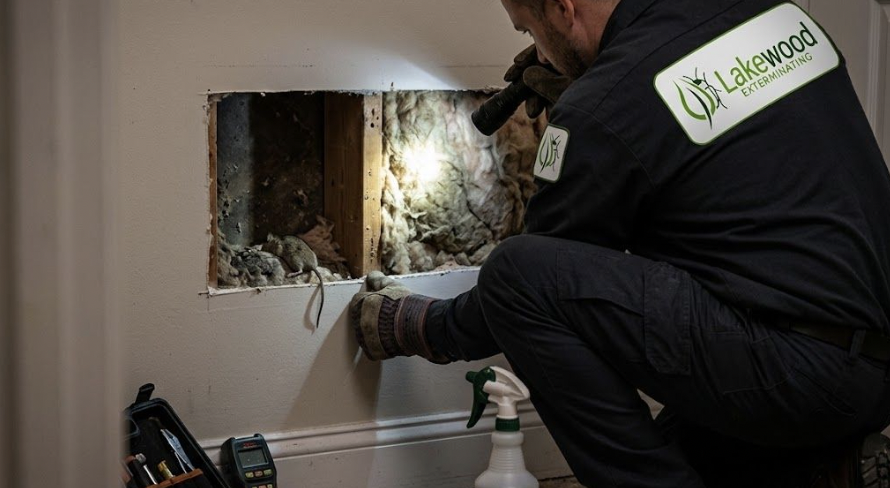
A one-time mouse service is not a quick spray-and-go. Our single visit is a full service call: an interior inspection of the kitchen, basement, and attic where needed, an exterior inspection to find entry points, a square foot of ground-level patchwork repairs with spray foam and stainless steel fabric, and traps or tamper-resistant bait stations placed where children and pets cannot reach them. You can read the full mouse service details before you book if you want the complete checklist.
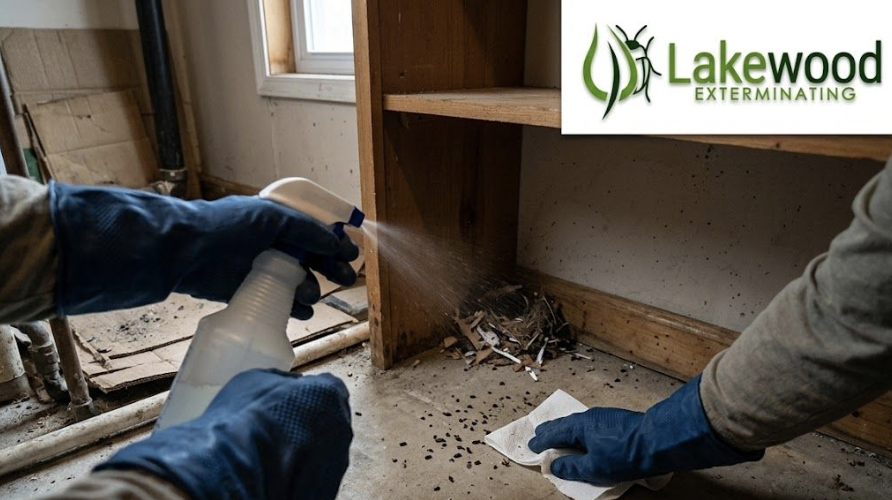
Here is the part people miss. After a single service, you own the follow-through. You check and empty the traps, you watch for new droppings, and you finish any repairs we quoted. Follow-up visits are available at half price within 60 days, but they are on you to schedule. For the right situation, that is completely fine. For the wrong one, it is where mouse problems come back to life.
When a One-Time Treatment Is Enough
A single visit works when the infestation is young, small, and sealed off in one pass. In practice, that means most of these are true:
- You caught it early. Days of activity, not months. A few droppings in one area, not evidence in the kitchen, basement, and attic at once.
- Every entry point we find is at ground level and small enough to patch during the first visit.
- You are willing to stay on top of trap checks and finish the recommended repairs within a week or two.
- Two weeks after the visit, there is no new activity: no fresh droppings, no sounds, nothing on the traps.
Mice reproduce fast enough that timing matters more than most people expect. A single pair can turn into dozens within a season, so a problem treated in its first week is a genuinely different job than the same problem treated in month three. If you are reading this within days of the first sign, there is a real chance one visit does it.
When You Need a Multi-Visit Plan
You need follow-up visits when mice are still entering after the first service, or when the infestation is established enough that one round of trapping cannot reach the whole population. The signs are usually clear:
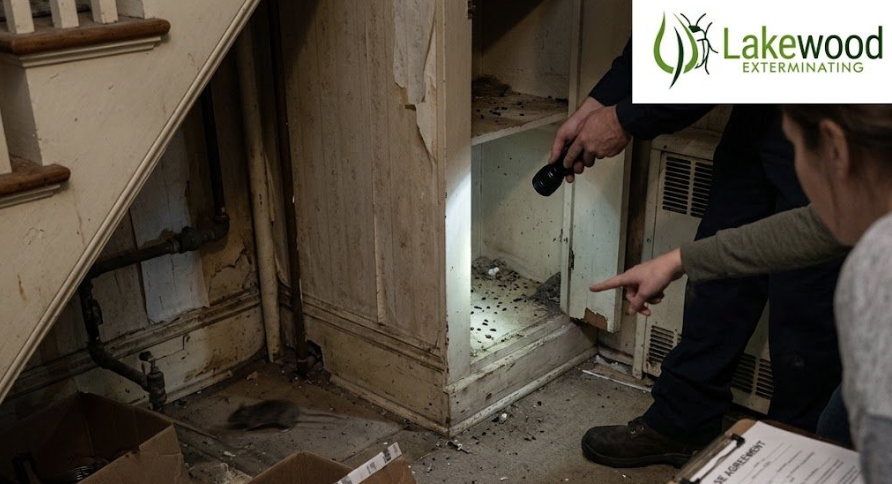
- Droppings keep reappearing after you clean them up, even in areas we treated.
- You hear scratching in walls or ceilings at night, or you suspect activity overhead. If that sounds familiar, our guide to that noise in your attic will help you tell mice apart from squirrels and other wildlife.
- Entry points need ladder work, porch lattice removal, or repairs beyond ground-level patchwork, so they cannot all be sealed on day one.
- You have seen a mouse during the day. Daytime activity usually means the population is large enough that mice are competing for nighttime feeding routes.
- The property is a duplex or multi-unit building, where mice move between units and one visit only covers your slice of the problem.
This is where mouse exterminator follow-up visits earn their keep. Each visit gives us new information: which traps were hit, whether bait was taken, and whether new droppings appeared after the repairs. That feedback loop is what tells us the difference between mice that are left over and mice that are still getting in.
How Our Three-Visit Rodent Plan Works
Our three-visit rodent plan is built around one idea: the job is not done when the traps are set, it is done when nothing new is getting in. The plan is the initial service plus two follow-up visits, and it carries a 90-day mouse control warranty starting from the first visit.
| Visit | Timing | What happens |
|---|---|---|
| Visit 1: Initial service | Day 0 | Full interior and exterior inspection, one square foot of patchwork exclusion at ground level, traps or tamper-resistant bait stations placed, repair recommendations with estimates |
| Visit 2: First follow-up | One to two weeks later | Long enough for the visit-1 work to control the mice already inside. We reset and maintain all traps and bait, and check whether your repairs are done |
| Visit 3: Confirmation | Three to four weeks after visit 2 | Enough time for outside mice to test your repairs. The goal is zero new activity, which confirms the entry points are sealed |
At Lakewood Exterminating, the warranty is the real difference. If mouse activity continues inside that 90-day window, you are covered under the plan instead of starting over at full price. If you want to see current pricing and choose a mouse control plan, everything is published on our service page, flat fees with no commissioned sales pressure.
Why Exclusion Matters More Than Visit Count
The number of visits decides how well we control the mice inside. Exclusion decides whether new mice replace them. Every long-running mouse problem we get called into has the same root cause: entry points that nobody sealed. Industry guidance from the National Pest Management Association’s PestWorld house mouse guide recommends sealing every hole larger than a dime and any gap wider than a pencil, because that is all the space a mouse needs.
Our initial service includes a square foot of this patchwork at ground level. Bigger exclusion work, the kind that needs ladders, special materials, or deck and porch access, gets quoted separately, and we can handle most of it through our rodent-proofing service. Whichever plan you pick, the repairs are what make the result permanent. A three-visit plan without exclusion is just three visits. A single visit with complete exclusion can genuinely be the end of the problem.
The Real Cost Difference: One Visit vs Three
With our published flat fees, the math is simple enough to do on one line. Here is how the two options compare as of 2026:
| Feature | Single service ($240 plus tax) | Three-visit plan ($460 plus tax) |
|---|---|---|
| Visits included | One | Initial visit plus two follow-ups |
| Warranty | None | 90 days from the first visit |
| Trap and bait upkeep | You maintain what we place | We maintain and reset everything |
| Follow-up pricing | Half price within 60 days ($120 plus tax) | Both follow-ups already included |
| Confirmation mice are gone | No | Yes, checked at the third visit |
Run the numbers the other way and the plan gets more interesting. A single service plus two separately booked follow-ups at $120 each comes to $480 plus tax with no warranty at all. The three-visit plan is $460 plus tax: twenty dollars less, with both follow-ups scheduled for you, all trap maintenance handled, and a 90-day warranty on top. For any home where mice might still be getting in, that is the better value by a wide margin.
Frequently Asked Questions
Is one mouse treatment ever enough?
Yes, when the infestation is caught early and every entry point gets sealed during that first visit. A light, recent problem in a home that gets fully patched can absolutely end with one service. Established infestations or homes with entry points we cannot reach on day one almost always need follow-up visits.
How many visits does it usually take to get rid of mice?
Most homes need between one and three visits. Interior activity usually stops within one to two weeks of the initial service as traps and bait stations work. The three-visit plan exists because confirming that no new mice are entering takes about four to six weeks, which is why the third visit lands where it does.
What does the 90-day mouse control warranty cover?
The three-visit plan carries a 90-day warranty starting from the initial service date. If mouse activity continues inside that window, you are covered under the plan rather than paying for a brand new service. Ask us for the exact terms when you book and we will walk you through them.
Why do mice come back after treatment?
Almost always because an entry point was never sealed. Trapping removes the mice inside today; it does nothing about the gap beside the gas line or the worn garage door seal that let them in. Miss one opening larger than a dime and the population rebuilds, which is why exclusion is part of every service we run.
What happens at a follow-up visit?
We check and reset every trap, service the bait stations, look for fresh droppings or new gnaw marks, and confirm whether repairs are holding. The second visit tells us how much activity remained after the first. The third tells us whether anything is still getting in from outside.
Can I seal the entry points myself and just book one visit?
You can, and handy homeowners sometimes do. If you seal everything properly, a single service for the mice already inside is a reasonable play. The catch is that most missed entry points are ones the homeowner never found, not ones they failed to fix, so we still recommend at least the exterior inspection that comes with our initial service.
How much are follow-up visits if I choose the single service?
Follow-up visits after a single service are half price when booked within 60 days of the initial visit, which works out to $120 plus tax. After 60 days, a visit is priced as a new service. If you expect to need two or more follow-ups, the three-visit plan is almost always cheaper once you factor in the warranty.
Still Not Sure Which Plan Fits?
You do not have to figure it out alone. At Lakewood Exterminating, we inspect first and then tell you honestly which option your home needs, because the right answer depends on what your entry points look like, not on which plan costs more. Call (216) 466-2486 or request a free quote, and we will follow up with a plan of action, typically the same day.